
A well-stocked baking pantry is the backbone of effortless, delicious baking. Whether you're whipping up a quick loaf of banana nut bread or experimenting with fancier layer cakes, knowing what to keep on hand - and how to use it - makes all the difference.
In this guide, I'll walk you through the essentials, share tips, and link to some of my favorite recipes so you can see these ingredients in action.
Jump to:
Join 500+ cozy folks for weekly recipes, crafts & good vibes - from my home to yours.
When you sign up, I'll send you the Cozy Weekend Starter Pack-
a free PDF with 3 recipes, 3 crafts, & cozy weekend vibes.
🌾 Flours - Choosing the right base
Flour isn't just there to "hold things together." It decides whether your cake is fluffy or dense, your muffins are tender or tough, and whether your quick bread feels bakery-worthy or like you accidentally made a doorstop.
All-Purpose Flour - Your Everyday Workhorse
Here's how to choose the right one (without needing a food science degree):
If you only keep one flour in the pantry, this is it. All-purpose flour is the middle-of-the-road option that works for almost everything: cookies, muffins, cakes, and quick breads.
It's what gives structure to staples like my banana nut bread and chocolate zucchini bread - sturdy enough to hold everything together, but still tender when you treat it right.
Best for:
• Quick breads
• Muffins
• Cookies
• Everyday cakes
Cake Flour - For When You Want Soft and Fancy
Cake flour has less protein than all-purpose, which means less gluten forms when you mix it. Translation: softer, lighter cakes.
It's great in more delicate desserts, especially when you want that fine, bakery-style crumb. You don't have to use it exclusively either - even swapping a portion of all-purpose flour with cake flour can make a noticeable difference in texture for tender cakes.
Best for:
• Layer cakes
• Cupcakes
• Soft, tender crumb desserts
Whole Wheat & Specialty Flours - Flavor With a Little Personality
Whole wheat flour brings a nutty flavor and more texture to baked goods. It's not as light as all-purpose, but used the right way, it adds depth without turning things heavy.
I like using part whole wheat and part all-purpose in muffins or quick breads when I want a little more substance but still want things soft. Specialty flours like oat or almond flour can also add great flavor - just know they behave differently and usually need recipe adjustments.
Best for:
• Hearty muffins
• Rustic quick breads
🌟 Tips & Tricks
- If your muffins or quick breads feel heavy, try replacing ¼ to ½ cup of all-purpose flour with cake flour for a lighter crumb.
- For whole wheat flour, start by swapping only half the flour in a recipe so things stay tender.
- Give flour a quick stir in the container before measuring - it settles over time and compacts.
- If a recipe says "sifted flour," sift it. That little step really can change texture in cakes.
- Toast whole wheat or nut flours lightly to enhance flavor before baking.
- Flour seems simple, but using too much can change the texture more than you'd think. If a bake ever turns out dry or dense, I talk through what might've happened in my article on baking fixes.
🧺 Storage
Flour doesn't last forever - and it definitely absorbs smells (no one wants onion-scented cupcakes).
• Store flour in an airtight container, not the paper bag.
• Keep it in a cool, dry spot away from sunlight.
• Whole wheat and nut flours are more delicate - they're happiest in the fridge or freezer.
• If your flour smells off or stale, it is. Time to replace it.

🍯 Sugars: More than just sweetness
Sugar isn't just there to make things sweet. It affects moisture, browning, spread, and texture - which is why swapping sugars can totally change how a recipe turns out.
Here's how the main players behave:
Granulated Sugar - The Classic
This is your standard white sugar, and it's the backbone of most cookies and cakes. It sweetens, helps with structure, and gives you that lightly crisp edge on cookies.
You'll see it doing its thing in recipes like Mom's Best Chocolate Chip Cookies and plenty of everyday cakes where you want sweetness without extra moisture.
Best for:
• Cookies with crisp edges
• Cakes with a clean, classic crumb
• Recipes where you don't want added moisture
Brown Sugar - Soft, Chewy, and Full of Flavor
Brown sugar is just granulated sugar with molasses added back in. That molasses brings moisture and a deeper, almost caramel-like flavor.
It's why cookies made with brown sugar tend to be softer and chewier, and why it works beautifully in quick breads like banana nut bread.
Light vs. Dark Brown Sugar:
• Light brown sugar = mild molasses flavor
• Dark brown sugar = deeper, richer flavor
Both work - dark just brings a little more drama.
Best for:
• Chewy cookies
• Muffins and quick breads
• Anything you want extra moist
Powdered Sugar - Smooth Operator
Also called confectioners' sugar, this one is finely ground and mixed with a little cornstarch. It dissolves easily, which makes it perfect for frostings, glazes, and dusting desserts so they look like they came from a bakery case.
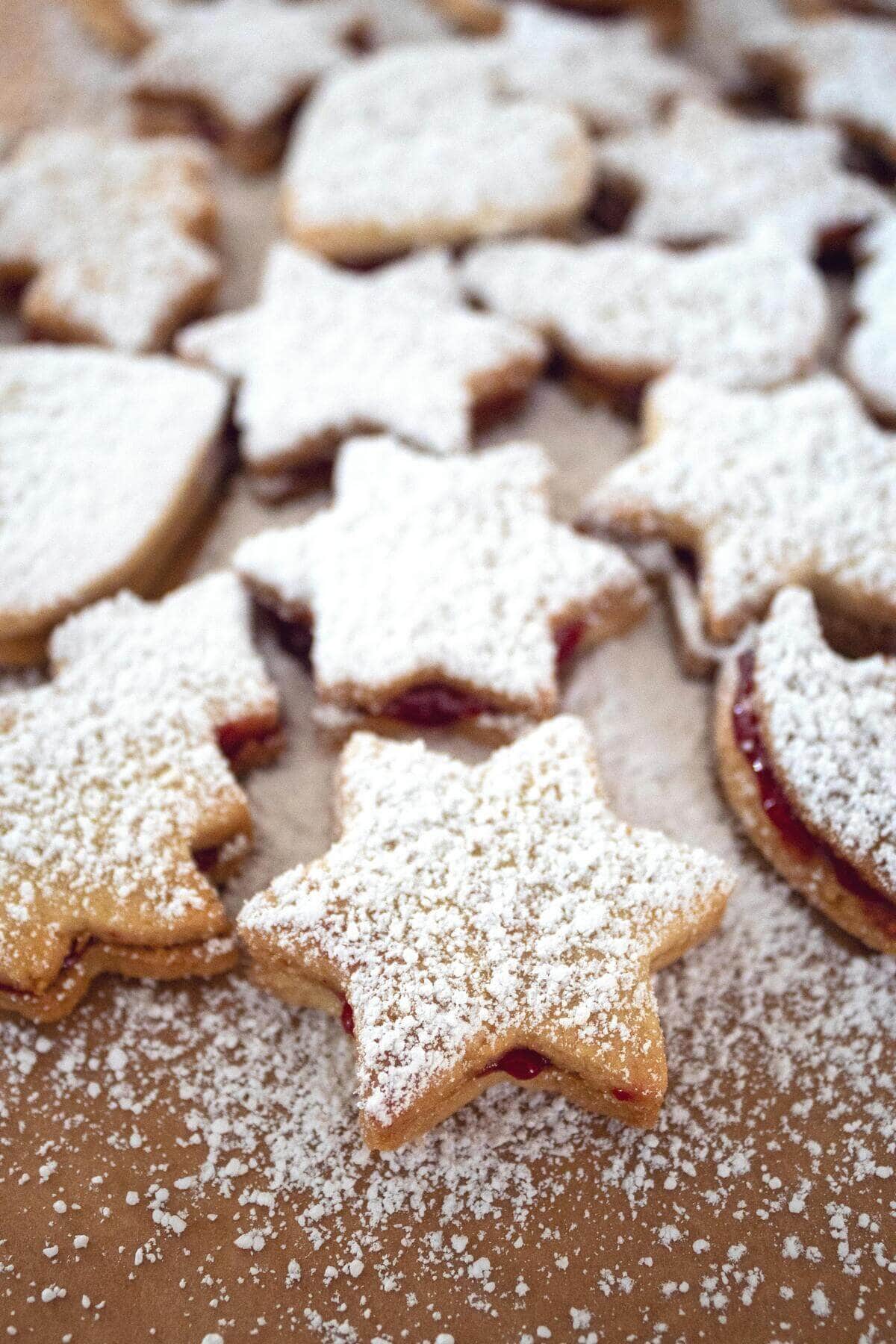
You'll use this kind of sugar in things like glazes for cakes or finishing touches on bars and cookies.
Best for:
• Frostings
• Glazes
• Dusting desserts
Liquid Sweeteners - Flavor Boosters
Honey, maple syrup, and similar sweeteners add more than sweetness - they bring their own flavor and extra moisture.
They can be great in muffins, quick breads, and breakfast-style bakes, but they do change texture a bit, so they're not always a straight swap for granulated sugar.
Best for:
• Quick breads
• Muffins
• Breakfast bakes
🌟 Tips & Tricks
- More brown sugar = softer, chewier cookies.
- More granulated sugar = crispier cookies.
- If your brown sugar turns into a brick, microwave it with a damp paper towel for 10-15 seconds to soften.
- Sift powdered sugar before making frosting to avoid lumps.
- Don't reduce sugar too much in baking - it affects moisture and structure, not just sweetness.
🧺 Storage
Sugar is pretty low-maintenance, but a little care keeps it easy to use.
• Store all sugars in airtight containers.
• Keep brown sugar sealed well so it doesn't dry out.
• Powdered sugar clumps easily - a sealed container and a dry scoop help,
🧈 Butter, oils, and shortening
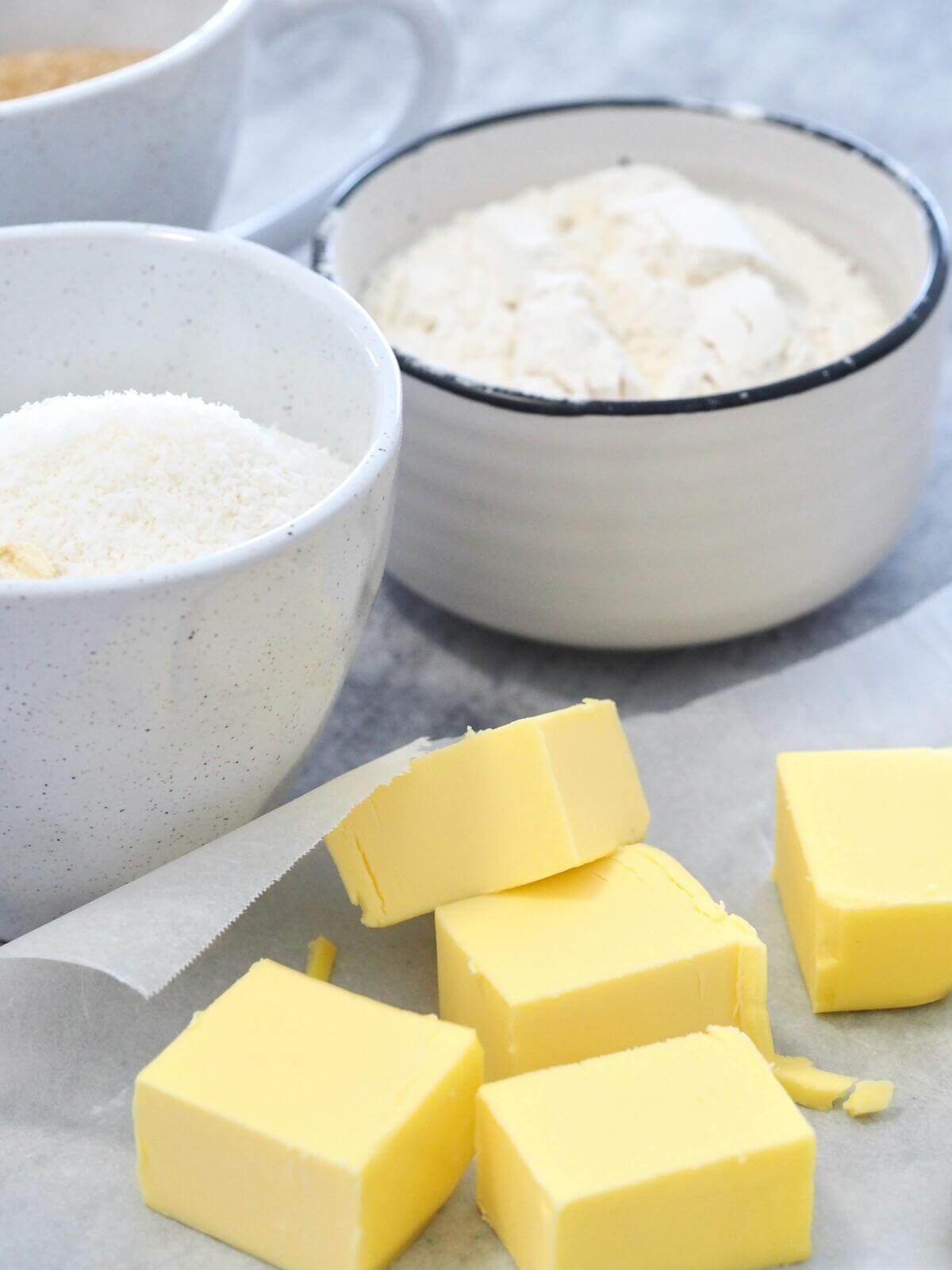
Fats are the reason cakes are tender, cookies aren't dry, and pie crusts actually flake instead of crumbling into sad dust. They add flavor, texture, and richness - and different fats behave in different ways.
Here's what matters most:
Butter - Flavor First
Butter is the gold standard in baking. It brings flavor, helps with structure, and creates that soft, tender texture we all want in cookies and cakes.
You can see it doing the heavy lifting in classics like Soft and Chewy Oatmeal Raisin Cookies and richer cakes like Matilda's Chocolate Cake.
Best for:
• Cookies
• Cakes
• Frostings
Oils - Moisture Without the Butter Flavor
Oils don't bring the same flavor as butter, but they're fantastic for moisture. That's why they're often used in quick breads and muffins that stay soft for days.
They're especially useful when you want other flavors, like chocolate, spices, or fruit, to shine without buttery richness taking over.
Best for:
• Quick breads
• Muffins
• Snack cakes
Shortening - The Texture Specialist
Shortening doesn't have much flavor, but it's great at creating tenderness and flakiness. It's often used in pie crusts and certain cookie recipes where texture matters more than taste.
Not glamorous, but it gets the job done.
Best for:
• Pie crusts
• Certain soft cookies
• Recipes where flakiness is key
🌟 Tips & Tricks
- Room temp butter should be soft enough to dent, not shiny or half-melted.
- Over-creaming butter and sugar can make cakes dense instead of light.
- Oil-based cakes usually stay moist longer than butter-based ones.
- Cutting cold butter into flour is what gives crusts and biscuits those flaky layers.
- Butter and other fats don't just add flavor - they affect texture too. If baked goods ever feel dry or crumbly, I go into some common reasons in my baking tips & fixes post.
🧺 Storage
- Butter lives in the fridge for everyday use and the freezer for long-term.
- Oils do best in a cool, dark cupboard away from the stove.
- Shortening keeps well at room temp in a tightly sealed container.
🥚Eggs & liquids - Structure & moisture
Eggs and liquids are what turn a bowl of dry ingredients into actual batter. They bring structure, richness, moisture, and help everything come together the way it should. When something goes wrong in baking, this category is often the reason.
Eggs
Eggs do a lot of heavy lifting. They bind ingredients, add moisture, help with rise, and give baked goods richness.
Most recipes are written for large eggs, so size really does matter.
You can see how eggs affect texture in recipes like my Pumpkin Whoopie Pies with Cream Cheese Filling and Lemon Meringue Pie, where structure and consistency really matter.
Good to know:
• Room temp eggs mix in more smoothly and help create better volume.
• Extra yolks make things richer and softer.
• Extra whites make things lighter and fluffier.
Milk, Cream, and Other Dairy
Dairy adds moisture, tenderness, and sometimes richness, depending on what you use.
• Milk keeps things soft without being heavy
• Buttermilk or yogurt add tang and react with baking soda for lift
• Heavy cream adds richness and a slightly tighter crumb
You'll notice dairy making a difference in softer bakes like snack cakes and quick breads.
Other Liquids
Not every liquid in baking is dairy. Water, coffee, juice, and even syrups show up to tweak flavor and texture.
• Coffee deepens chocolate flavor without making things taste like coffee.
• Citrus juice adds brightness and reacts with baking soda.
• Simple syrup brushed on cakes adds moisture after baking.
🌟 Tips & Tricks
- Crack eggs into a small bowl first so shell pieces stay out of your batter.
- If you forgot to bring eggs to room temp, put them in warm water for 5-10 minutes.
- Don't overmix once liquids go in, especially for muffins and quick breads.
- Measure liquids at eye level in a clear measuring cup.
- If batter looks curdled after adding eggs, keep mixing gently - it usually smooths out.
- Ingredient temperature can make a bigger difference than people expect. If texture ever seems off, I share more about how small details like this affect results in my baking troubleshooting guide.
🧺 Storage
- Eggs belong in the main part of the fridge, not the door.
- Milk and cream should be tightly sealed and kept cold.
- Buttermilk and yogurt can be frozen if you have extra.

🍞 Leaveners - The lift behind the bake
Leaveners are what keep your cakes from turning into bricks and your muffins from doubling as paperweights. They create air and lift, which gives baked goods their light texture.
Small ingredient. Big responsibility.
Baking powder
Baking powder is the low-maintenance one. It already has everything it needs built in, so once it gets mixed into a batter and hits the heat, it starts doing its thing.
This is what gives lift to bakes like my Lemon Blueberry Bars and Banana Blueberry Oatmeal Muffins, where you want a soft, even rise.
Best for:
• Muffins
• Cakes
• Quick breads that don't rely on acidic ingredients
Baking soda
Baking soda needs a partner. It only works when there's an acid in the recipe, like buttermilk, yogurt, brown sugar, or citrus juice. When paired right, it helps with rise, browning, and texture.
You'll see it working behind the scenes in recipes like Chocolate Zucchini Bread, where moisture and structure go hand in hand.
Best for:
• Recipes with buttermilk, yogurt, or citrus
• Cookies where spread and browning matter
• Moist quick breads
Yeast
Yeast is a different category altogether. It's alive, it takes time, and it rewards patience with airy texture and great flavor.
This is what makes breads and rolls rise instead of just sitting there.
Best for:
• Breads
• Rolls
• Sweet yeast doughs
🌟 Tips & Tricks
- Check expiration dates. Old leaveners are a top reason baked goods don't rise.
- Mix baking powder or soda into your flour before adding liquids so the lift is even.
- Too much baking soda can leave a strange metallic aftertaste.
- If a recipe calls for both baking powder and baking soda, it's intentional.
- Leaveners are small but mighty, and when they're not fresh, baked goods can turn out flat or heavy. If that ever happens, I walk through the usual causes in my baking troubleshooting post.
🧺 Storage
- Keep baking powder and baking soda tightly sealed and dry.
- Store them away from heat and steam.
- Once opened, yeast should live in the fridge or freezer.

🧁 Flavors & extracts
This is where a basic recipe turns into your recipe. Flavors and extracts don't usually affect structure much, but they make the difference between "good" and "can you send me that recipe?"
A little goes a long way.
Vanilla extract
Vanilla is the quiet background note in a lot of baking. You don't always notice it, but without it, things taste flat.
It adds depth to everything from cookies to cakes to creamy desserts like Cheesecake Mousse.
Tip: Pure vanilla extract has a fuller flavor than imitation. Use what you have, but real vanilla really does make a difference.
Other extracts
Almond, lemon, peppermint, coconut - these can completely change the personality of a dessert with just a small amount.
They're strong, so think "hint" not "pour."
Great for:
• Boosting fruit flavors in cakes and bars
• Giving holiday cookies their signature taste
• Adding depth to simple butter or sugar-based bakes
Citrus zest
Zest is one of the easiest ways to brighten up a recipe without messing with texture. You get big flavor without adding extra liquid.
It's especially good in desserts where you want freshness to balance sweetness, like Lemon Blackberry Bread.
Spices
Cinnamon, nutmeg, ginger, cardamom - spices bring warmth and depth. Even chocolate desserts can benefit from a small amount in the background.
You can taste how spices add that cozy feel in bakes like Apple Cider Muffins with Cinnamon Streusel.
🌟 Tips & Tricks
- Add extracts toward the end of mixing so their aroma sticks around.
- Start small with strong extracts like almond or peppermint.
- Fresh zest gives more flavor than bottled juice.
- A pinch of salt can make sweet flavors pop more.
🧺 Storage
- Keep extracts in a cool, dark cabinet with lids tightly closed.
- Ground spices fade over time, so replacing them every year or so helps a lot.
- Whole spices last longer and can be ground fresh if you want stronger flavor.

🥄 Tools and equipment
Having the right tools just makes baking smoother, faster, and a lot more enjoyable. You don't need a giant kitchen or specialty gadgets, just a few reliable basics that help everything come together the way it should.
Good tools support good recipes, and once you have them, you'll use them constantly.
Measuring tools
Baking is less forgiving than cooking, so accuracy matters.
• Dry measuring cups are for flour, sugar, etc. (scoop and level).
• Liquid measuring cups are for milk, oil, and other liquids (check at eye level).
• Measuring spoons should be leveled, not heaping.
Tip: If you ever want to level up your baking accuracy, a small kitchen scale is a game changer.
Mixing tools
You don't need a stand mixer for everything, but you do need a few basics.
• Mixing bowls in multiple sizes
• Whisk for blending dry ingredients and breaking up clumps.
• Rubber spatula for scraping bowls (don't waste batter!).
• Hand mixer or stand mixer for creaming butter, whipping, and thicker batters.
A good spatula alone will make your baking less messy and more efficient.
Baking pans
The pan you use can change how a recipe bakes.
• Metal pans bake faster and give more browning.
• Glass pans bake a little slower and hold heat longer.
• Light-colored pans help prevent over-browning.
Greasing and lining pans properly is just as important as the recipe itself. Parchment paper is your best friend here.
You'll see how pan choice matters in recipes like Cinnamon Roll Donuts, where texture depends on even baking.
Small but mighty extras
These don't seem exciting, but they make a difference.
- Cooling racks keep bottoms from getting soggy.
- Oven thermometer tells you if your oven is lying (many do).
- Fine mesh sieve is great for cocoa powder, powdered sugar, and flour.
And for when you want things to look as good as they taste:
- Piping bag and tips make frosting cupcakes, filling pastries, or decorating cookies way easier (and neater).
- Offset spatula helps spread frosting smoothly and evenly without dragging crumbs everywhere.
- Rolling pins are essential for pie crusts, cut-out cookies, and anything that needs evenly rolled dough.
- Cookie cutters are perfect for shaped cookies, holiday baking, and adding a little extra fun to your kitchen time.
These are the kinds of tools you might not use every single day, but when you need them, you're really glad they're there.
🌟 Tips & Tricks
- Don't overfill pans. Most batters need room to rise.
- Let pans cool slightly before removing baked goods to prevent breakage.
- If something sticks often, line with parchment instead of just greasing.
- Oven temperature explains a lot of baking mysteries. If something ever bakes up too fast, too slow, or just oddly, I cover that in my baking troubleshooting post.
🧺 Storage
- Keep frequently used tools in easy reach.
- Store baking pans dry to prevent rust.
- Nest bowls and pans with paper towels between them to prevent scratches.

🛒 Baking Basics Shopping List
New to baking or reorganizing your kitchen? This list covers the essentials!
Flours
• All-purpose flour - your everyday go-to for most recipes
• Cake flour - makes cakes softer and more tender
• Whole wheat flour (optional) - adds heartier texture and flavor
Sugars
• Granulated sugar - sweetness and structure
• Brown sugar - moisture and chewiness
• Powdered sugar - smooth frostings and glazes
• Honey or maple syrup (optional) - natural sweetness and moisture
Fats
• Butter - flavor and tenderness
• Neutral oil - extra moisture, especially in quick breads and cakes
• Shortening - helpful for flaky pie crusts and certain cookies
Eggs & Dairy
• Eggs - structure, richness, and binding
• Milk - moisture and texture
• Buttermilk or yogurt - tenderness and slight tang
• Heavy cream (optional) - richness for special bakes
Leaveners
• Baking powder - lift for cakes and quick breads
• Baking soda - lift when paired with acidic ingredients
• Yeast - rise and flavor for breads and rolls
Flavors & Spices
• Vanilla extract - depth and warmth
• Almond extract (optional) - strong, nutty flavor boost
• Cinnamon - warmth in cookies and cakes
• Nutmeg or ginger (optional) - cozy spice notes
• Citrus (lemons/oranges) - zest adds bright, fresh flavor
Baking Tools
• Dry measuring cups & spoons - accurate dry measurements
• Liquid measuring cup - correct liquid levels
• Mixing bowls - multiple sizes are helpful
• Whisk & rubber spatula - mixing and scraping
• Hand mixer or stand mixer - creaming, whipping, and thick batters
• Baking pans - cake pans, muffin tin, baking sheets
• Parchment paper - easy release and cleanup
• Cooling racks - prevents soggy bottoms
• Oven thermometer - ensures accurate baking temps
• Fine mesh sieve - sifting and dusting
• Piping bag and tips - decorating and filling
• Offset spatula - smooth frosting and layers
• Rolling pin - rolling dough evenly
• Cookie cutters - shaped cookies and fun designs

Leave a Reply