
Even experienced home bakers have things go sideways sometimes. A cake sinks, cookies spread like crazy, bread comes out denser than you hoped. It doesn't mean you can't bake. Most of the time, it's just one small thing that tipped the balance. Once you know what to look for, the fixes are usually simple.
Let's start with the issues that can mess with just about anything you bake.
And if you want the "what to keep, how to store it, and what actually matters" version of baking staples, my Ultimate Baking Pantry Guide is a good one to bookmark.
Jump to:
Join 500+ cozy folks for weekly recipes, crafts & good vibes - from my home to yours.
When you sign up, I'll send you the Cozy Weekend Starter Pack-
a free PDF with 3 recipes, 3 crafts, & cozy weekend vibes.

🫙 Ingredient & pantry tips
If multiple recipes are giving you trouble, chances are it's not the recipes. It's something basic going on with ingredients, measuring, or your oven.
❓ Why didn't my baked goods rise?
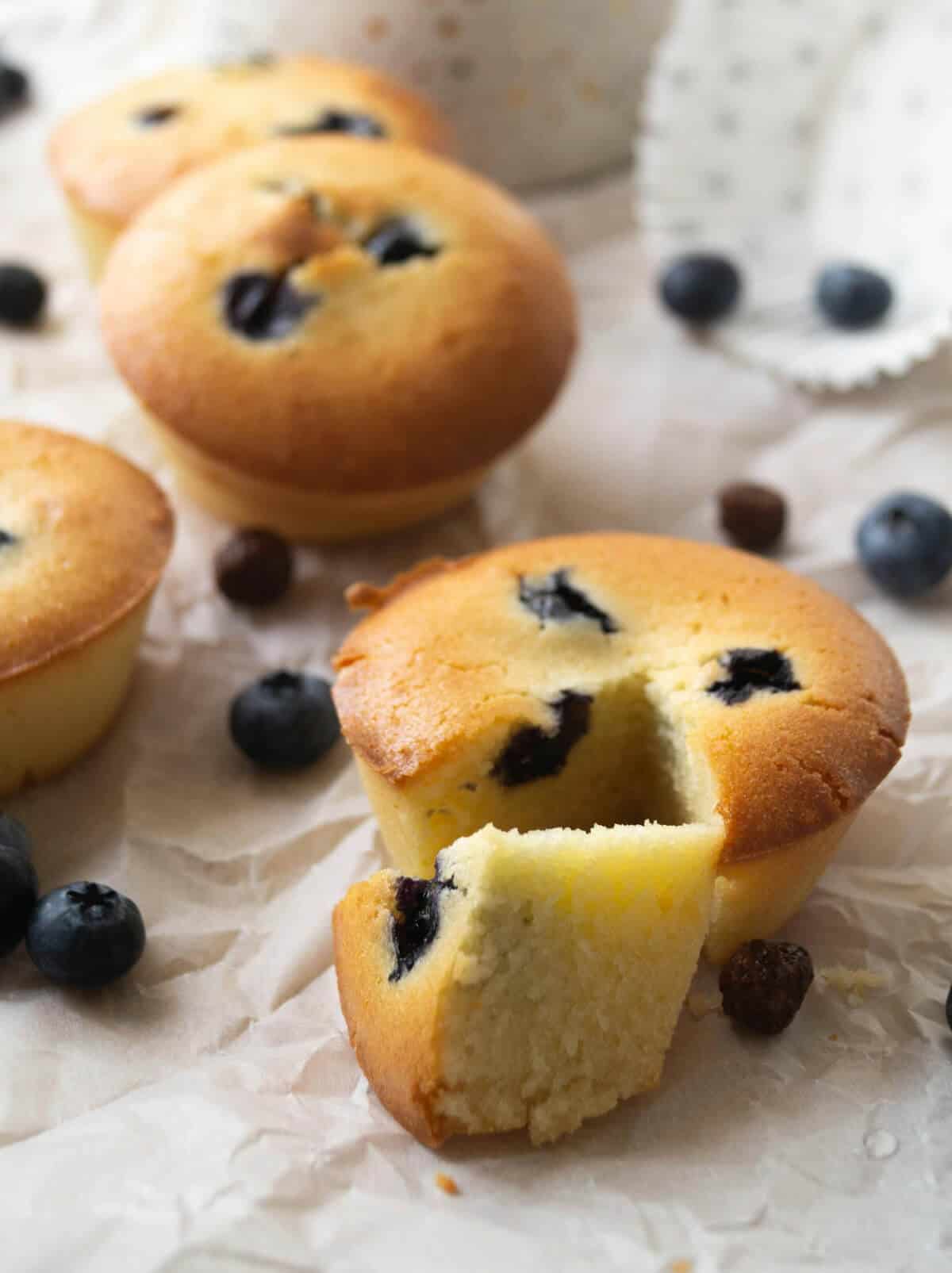
When something comes out flat, heavy, or just didn't rise much, the problem usually comes down to leavening or oven heat.
🤔 Likely causes
- Your baking powder or baking soda is too old. These don't last forever. Once they lose strength, your batter just can't lift the way it should.
- You used the wrong leavener. Baking soda needs acid to work. Baking powder already has acid built in. Mixing them up (or guessing the amount) can mean little rise and sometimes a weird aftertaste.
- Your yeast didn't wake up. Yeast can expire, and it can also get knocked out by liquid that's too hot.
- Your oven wasn't fully preheated. A lot of the rise happens early. If the oven is still climbing to temp, your bake never really gets that boost.
- The batter sat too long before baking. Some batters start reacting as soon as the wet and dry meet. If they sit around, the lift gets used up before the pan even hits the oven.
- Too much flour or heavy add-ins. A thick, overloaded batter has a harder time rising, especially with lots of fruit, nuts, or chocolate mixed in.
🧁 Easy Fixes
- Test your leaveners before you bake. Baking powder in hot water should bubble fast. Baking soda in vinegar or lemon juice should fizz right away. If not, it's time to replace them.
- Measure leaveners carefully. These tiny amounts matter more than you'd think.
- For yeast dough, think "warm bath water." Warm helps yeast. Hot kills it. If you're unsure, go a little cooler and just give it more time.
- Look for dough to double, not just a timer. Rise time depends on your kitchen, not the clock.
- Let the oven fully preheat. An oven thermometer can be very humbling. A lot of ovens run cooler than the dial says.
- Get batter into the oven quickly. Once it's mixed, don't let it hang out unless the recipe says to.
- Be realistic with add-ins. Fold them in gently and don't overwork the batter, trying to squeeze everything in.
🔍 Quick check if things came out flat
- Flat and pale? Your oven might be running cool.
- Flat with a slightly bitter or soapy taste? Too much baking soda or not enough acid.
- Yeast dough that barely moved? Start with the yeast or liquid temperature.
❓ Why are my baked goods dry or crumbly?
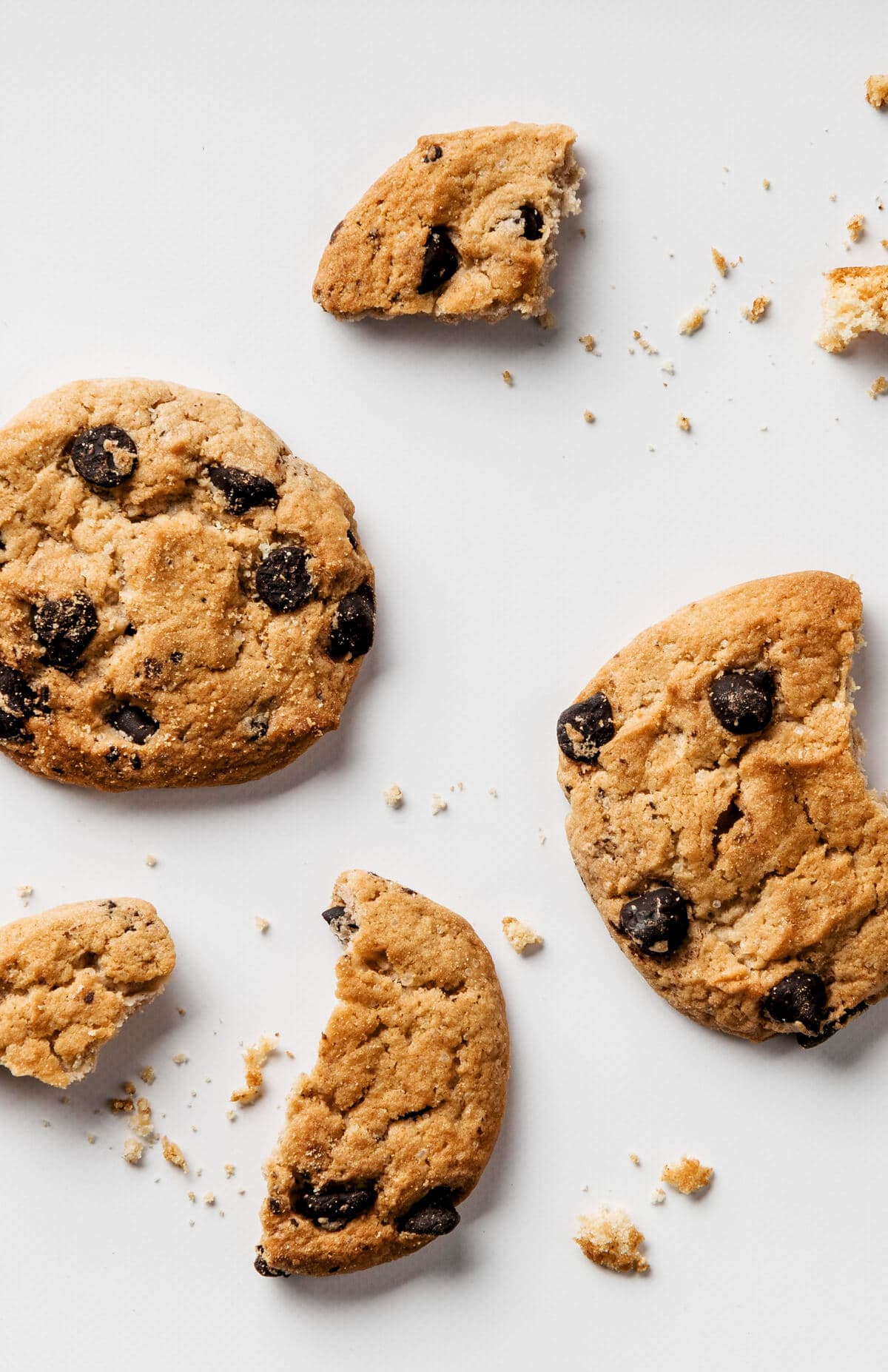
This is the bake that looks fine…until you take a bite and suddenly need a sip of coffee just to get it down. Dry, crumbly texture usually means things tipped too far toward the dry side of the ingredient balance.
🤔 Likely causes
- Too much flour. This happens all the time when flour gets scooped straight from the bag. It packs in more than you think, and suddenly your tender cake turns into crumbly disappointment.
- Overbaking. Just a few extra minutes can dry things out fast, especially with muffins and snack cakes.
- Not enough fat. Butter, oil, and egg yolks are what keep baked goods tender. Cutting back sounds small, but it makes a big difference.
- Too little sugar. Sugar helps hold onto moisture, not just sweetness. Reducing it can dry things out more than you'd expect.
- Oven running hot. If your oven bakes hotter than you think, the outside dries out before the inside is where it should be.
- Too many dry add-ins. Extra nuts, chocolate chips, or dried fruit can pull moisture away from the batter.
🧁 Easy Fixes
- Measure flour lightly. Spoon it into the cup and level it off. It feels a little fussy, but it really does help.
- Start checking early. Slightly under-baked is usually better than even a little over-baked.
- Don't cut the fat unless the recipe was built for it. That butter or oil is there for texture, not just flavor.
- Think twice before lowering the sugar. Even small changes affect moisture.
- Check your oven temp. A cheap oven thermometer can explain a lot.
- Be mindful with add-ins. If the batter looks stiff and overloaded, it will probably bake that way too.
🔍 Quick check
- Dry edges but okay center? It probably just baked a bit too long.
- Dry all the way through? Too much flour or an oven that runs hot.
- Crumbly and falls apart when sliced? Usually a fat or flour balance issue.
❓ Why do my baked goods taste bland?
This is the bake that looks great, has the right texture… and somehow tastes like sweet cardboard. When flavor falls flat, it's usually not one big mistake, just a few small things that didn't pull their weight.
🤔 Likely causes
- Not enough salt. Salt doesn't make things salty. It makes everything else taste more like itself. Without it, flavors just sit there quietly.
- Skipped or weak vanilla. Vanilla does more than add "vanilla flavor." It rounds things out. Old or cheap vanilla can disappear in the batter.
- Old spices. Ground cinnamon, nutmeg, and other spices lose punch over time. If they've been in the cabinet since who-knows-when, they're probably just dusty brown powder now.
- Too much flour dulling everything. Extra flour doesn't just affect texture. It can mute sweetness and flavor too.
- Not enough fat. Fat carries flavor. Cutting it back can make baked goods taste flat, not just dry.
- Overbaking. Dry, overbaked goods don't just lose moisture - they lose flavor too.
🧁 Easy fixes
- Don't skip the salt. Even in sweet recipes, it's there for a reason.
- Use real vanilla, and replace it when it smells weak. If you have to stick your nose deep in the bottle to smell anything, it's time.
- Refresh your spices once a year. Especially the ones you haven't used in a while.
- Measure flour carefully. Too much can water down flavor as well as texture.
- Keep the fat where the recipe puts it. That butter or oil is doing flavor work behind the scenes.
- Pull baked goods from the oven at the right time. Properly baked tastes better than dried out.
🔍 Quick check
- Tastes flat but texture is fine? Usually a salt or vanilla issue.
- Spiced bake with barely any spice flavor? Your spices are probably past their prime.
- Looks good, tastes dull, and a bit dry? Oven time or flour measurement may be the culprit.
🍰 Cake troubleshooting guide
Cakes are a little more sensitive than cookies or muffins. Tiny changes in mixing, measuring, or oven timing can really show up in the final texture. The good news is cake problems usually follow pretty predictable patterns once you know what to watch for.
If you're in cake mode right now, you might want to start with my applesauce crumb cake or harvest cake with cream cheese glaze.
❓ Why is my cake dense or heavy?
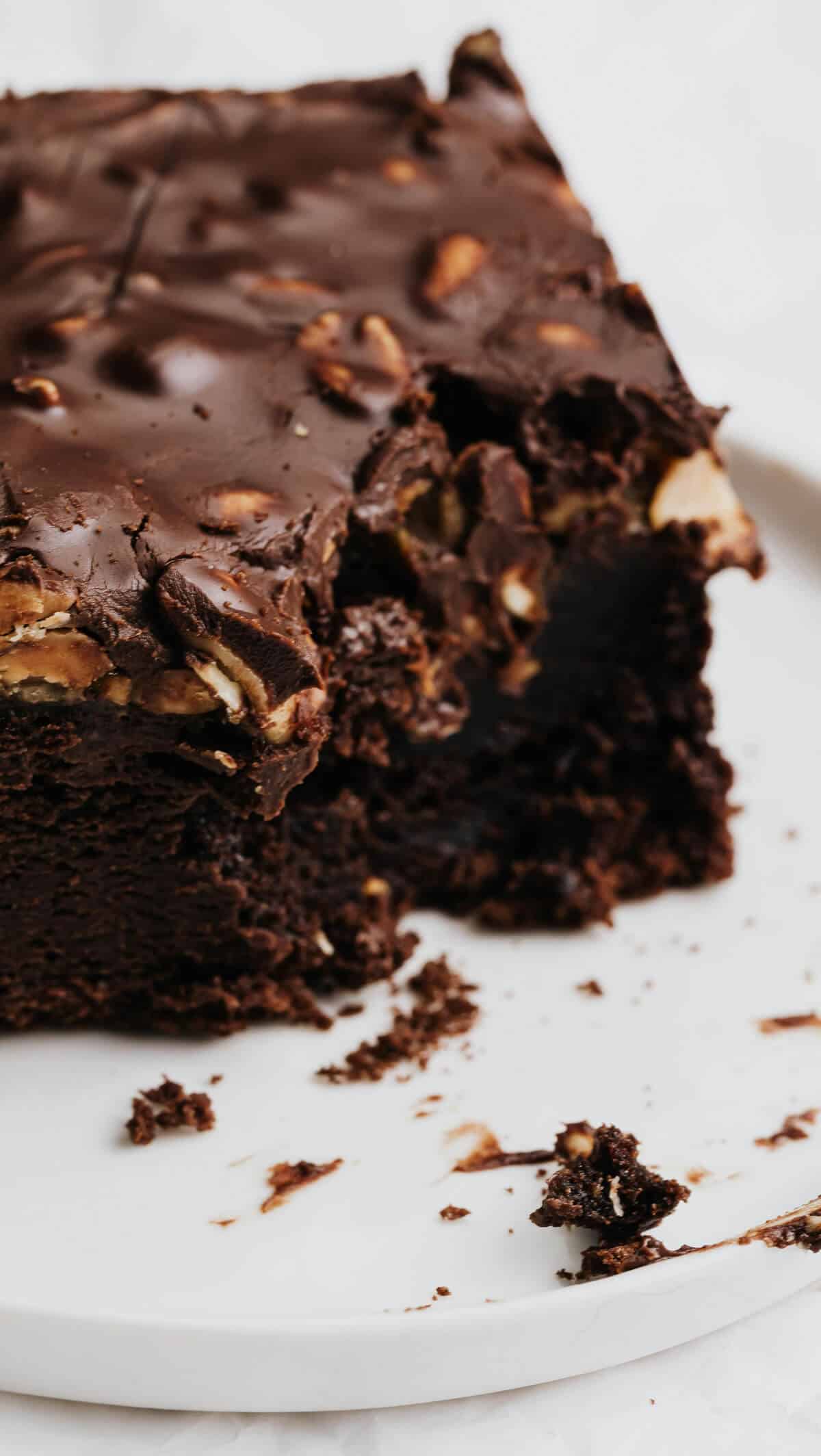
A cake should feel light and tender. If yours turned out more "brick-adjacent" than bakery-soft, something probably threw off the balance between air, fat, and flour.
🤔 Likely causes
- Too much flour. This happens when flour gets scooped straight from the bag. More flour = heavier cake.
- Overmixing once the flour went in. After dry ingredients are added, too much stirring builds structure that cakes really don't need.
- Leavening didn't pull its weight. Old baking powder or baking soda means less lift and a tighter crumb.
- Butter and sugar weren't creamed long enough. That step adds air, which helps make cakes lighter.
- Too many heavy add-ins. Lots of chocolate chunks, fruit, or nuts can weigh things down fast.
🧁 Easy fixes
- Measure flour lightly. Spoon and level instead of scooping. Yes, it matters.
- Go gentle after adding flour. Mix just until you don't see dry streaks anymore.
- Check your leaveners. Fresh baking powder makes a noticeable difference in cakes.
- Cream butter and sugar until it looks lighter and a little fluffy. That air helps give you a softer crumb.
- Fold in add-ins carefully. Don't overwork the batter trying to make everything perfectly even.
🔍 Quick check
- Tight, compact crumb all the way through? Usually too much flour or overmixing.
- Heavy and a little gummy too? Could be too much liquid or slightly underbaked.
- Dense and flat? Time to check your leaveners.
- Baking powder: Stir ½ teaspoon into a small bowl of hot water. It should bubble up right away. If it barely fizzes, it's past its prime.
- Baking soda: Stir ¼ teaspoon into a splash of vinegar or lemon juice. You should see a strong, fast fizz. Weak reaction = replace it.
❓ Why did my cake sink in the middle?
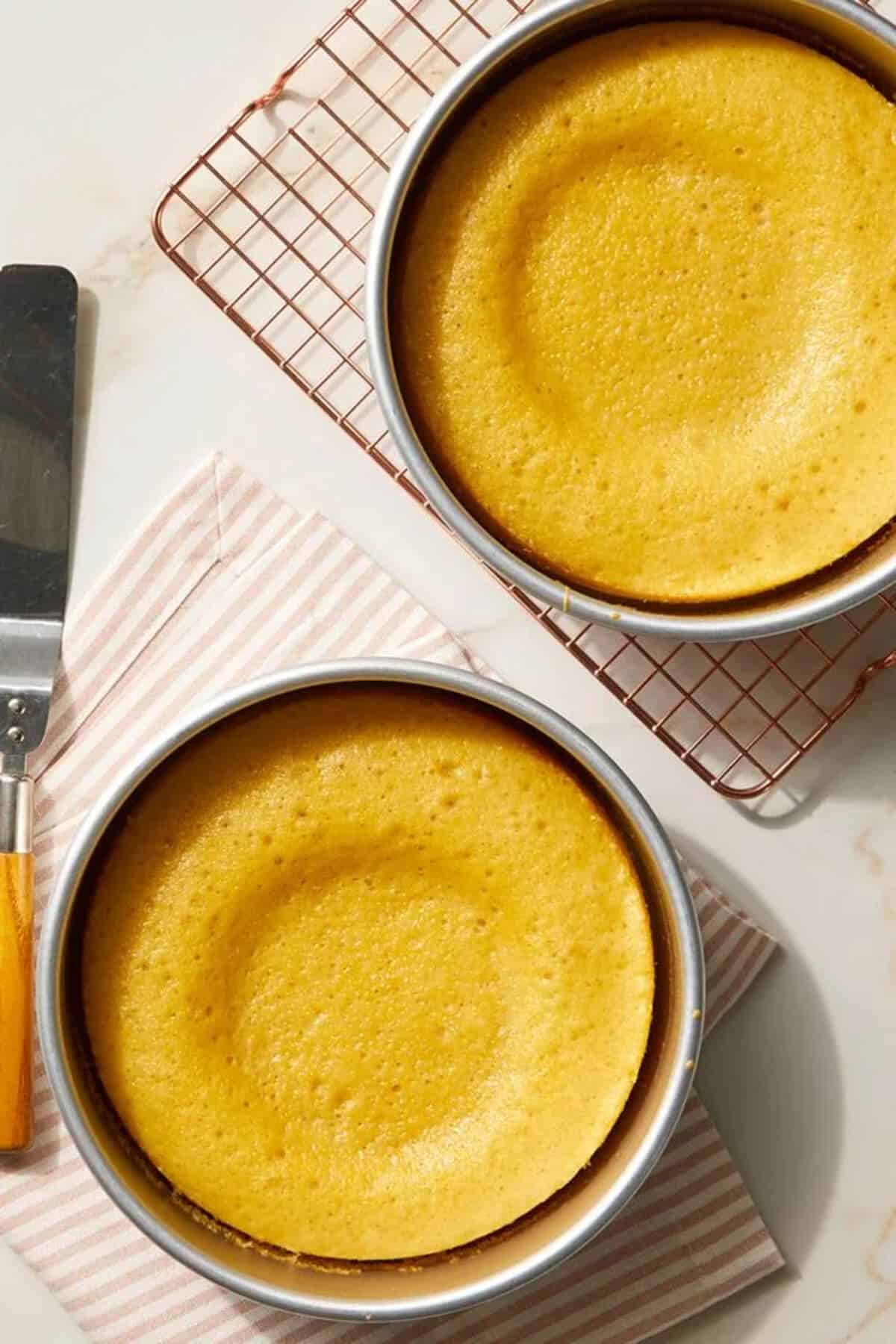
Nothing like pulling a cake out that looks great… and then watching the middle slowly cave in like it just gave up. A sinking center usually means the cake didn't get a chance to fully set its structure before cooling.
🤔 Likely causes
- It needed more time in the oven. The top looked done, but the center wasn't fully baked yet. As it cools, it collapses.
- The oven door got opened too early. A rush of cooler air before the cake sets can make it fall.
- Too much leavening. Extra baking powder or soda can make a cake rise fast and then sink when it can't support itself.
- Too much liquid or sugar. Both can weaken structure and make the middle more likely to dip.
- Pan was overfilled. Batter that climbs too high doesn't have enough support in the center.
🧁 Easy fixes
- Bake until the center is actually set. A toothpick should come out clean or with a few moist crumbs, not wet batter. The center should spring back lightly when touched.
- Try not to open the oven early. Waiting until the last part of baking time helps the structure set.
- Measure leavening carefully. More isn't better here.
- Stick to the pan size the recipe calls for. Changing pan size changes how the cake bakes.
- Don't overfill pans. About two-thirds full is a good rule.
🔍 Quick check
- Sinks right after coming out of the oven? Usually underbaked.
- Big dip with a dense, almost wet layer at the bottom? Structure didn't set, often from too much liquid or not enough bake time.
- Rose high, then dramatically collapsed? Too much leavening is a strong suspect.
❓ Why is my cake dry?
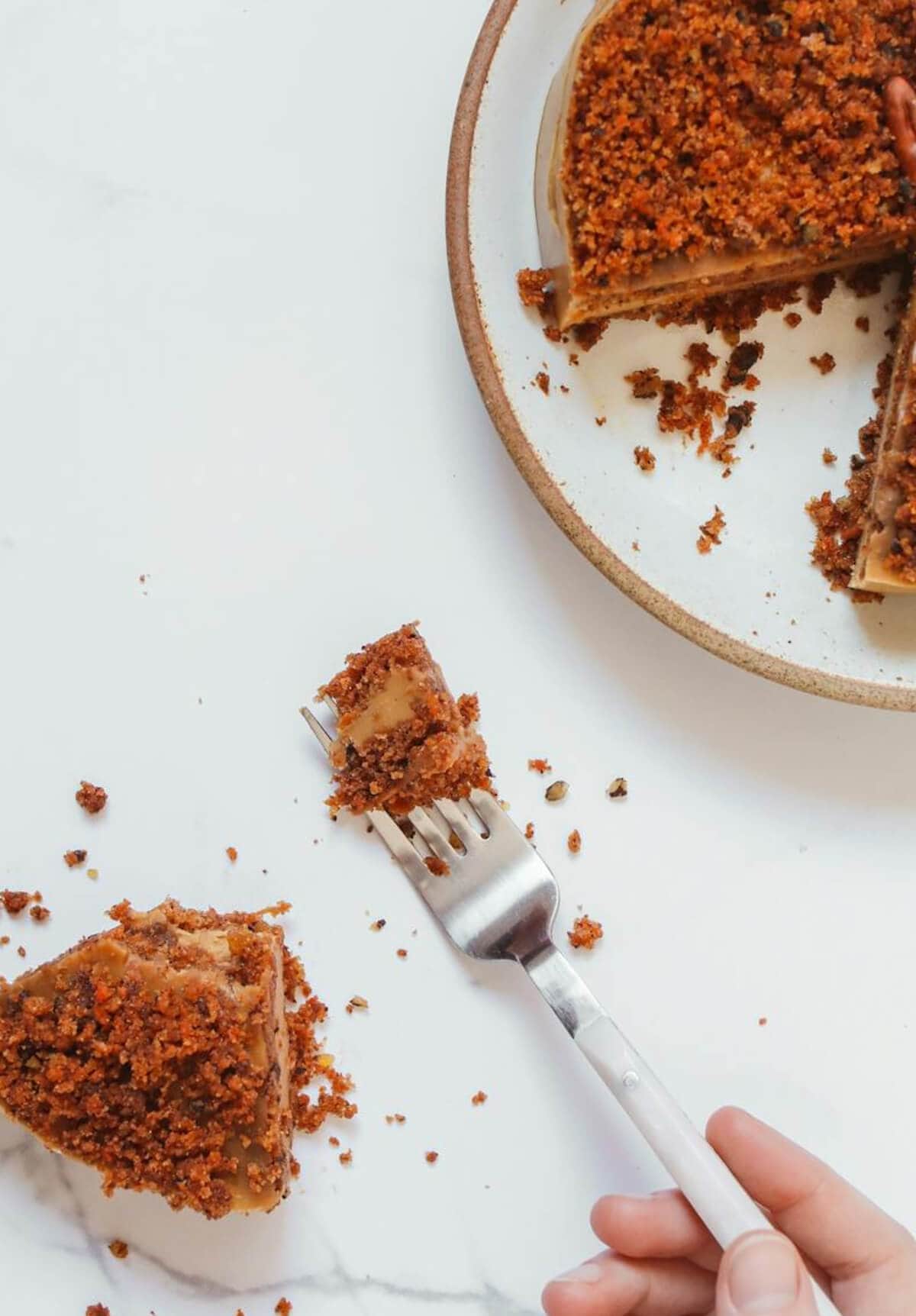
This is the cake that looks perfectly fine… until you take a bite and immediately wish you had coffee, milk, or a glass of water nearby. Dry cake usually means too much moisture got baked out or the ingredient balance leaned too far toward dry.
🤔 Likely causes
- It baked a bit too long. Cakes go from perfect to dry faster than we want to admit.
- Too much flour snuck in. Packed flour dries out cakes more than you'd expect.
- Not enough fat. Butter and oil are what make cakes feel tender, not just rich.
- Sugar was reduced. Sugar helps hold onto moisture, not just sweetness.
- Oven runs hot. A hotter oven can dry out the cake before you realize what's happening.
🧁 Easy fixes
- Start checking earlier than you think. Check about 10 minutes before "done" time. A cake that's just done is almost always better than one that went a few minutes too long.
- Measure flour gently. Spoon and level instead of digging the cup into the bag.
- Leave the fat alone unless the recipe was built for changes. It's doing important texture work.
- Be careful about lowering sugar. Even small cuts can affect moisture.
- Use an oven thermometer if you can. It explains a lot of mystery dryness.
🔍 Quick check
- Dry edges but okay center? Slight overbaking.
- Dry all the way through? Flour or oven temp is the first place to look.
- Texture seems fine but just not moist? Often a fat or sugar balance issue.
❓ Why did my cake stick to the pan?
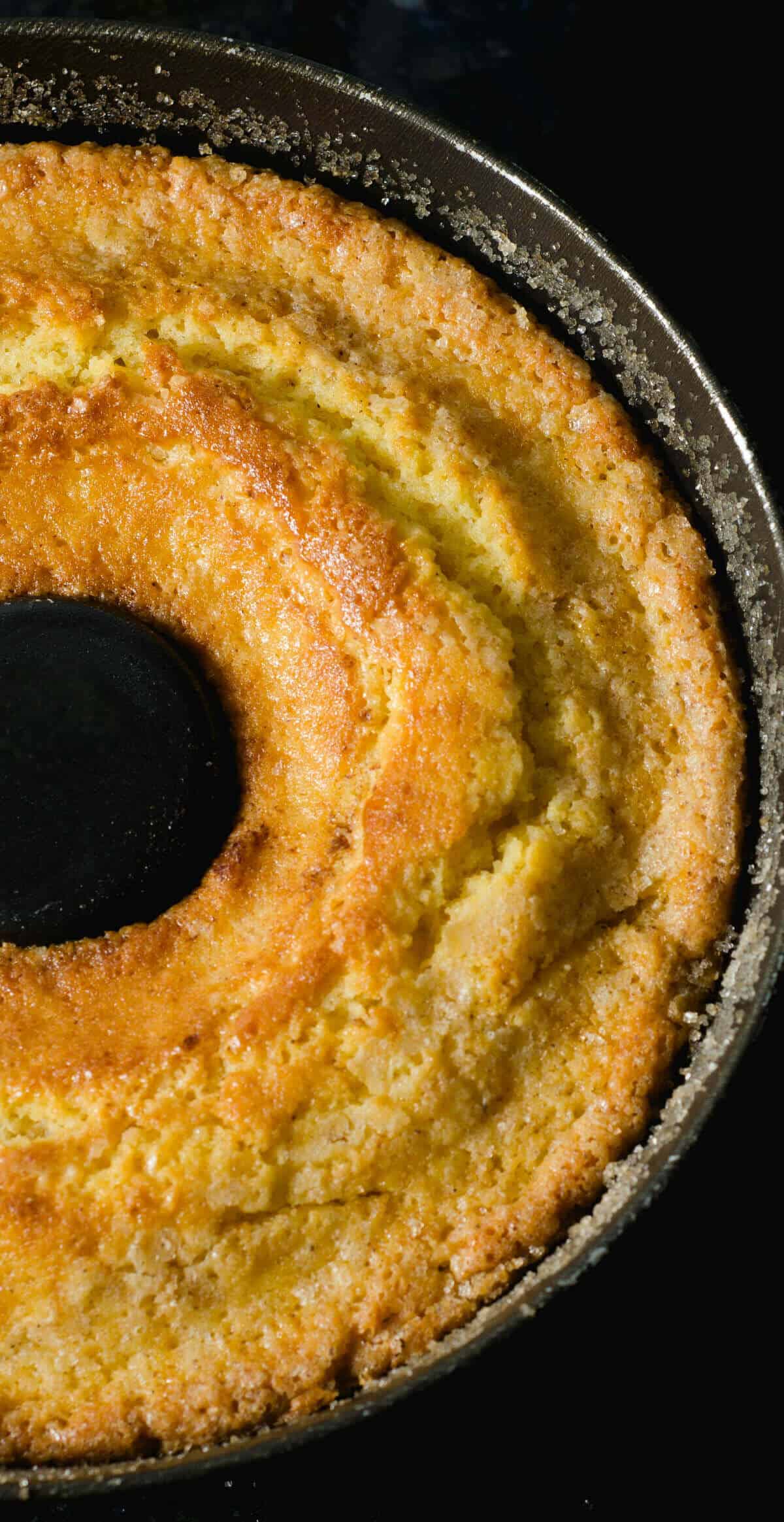
Nothing tests your patience quite like turning out a cake and leaving half of it behind. If your cake sticks, it's almost always about prep and timing, not bad luck.
🤔 Likely causes
- The pan wasn't greased well enough. A quick swipe of butter isn't always enough, especially with detailed pans.
- No parchment on the bottom. For layer cakes, this step saves a lot of heartbreak.
- Cake was turned out too soon. Hot cakes are soft and more likely to tear.
- Cake sat in the pan too long. Letting it cool completely in the pan and moisture can make it cling.
- Pan surface is worn. Older nonstick pans lose their magic over time.
🧁 Easy fixes
- Grease generously, then add a light dusting of flour. Tap out the excess. That thin coating gives the cake something to release from. (For chocolate cakes, cocoa powder works great instead of flour.)
- Use parchment on the bottom. It's a tiny step that makes a huge difference.
- Let cakes cool about 10-15 minutes before turning out. Warm, not hot.
- Run a thin knife around the edges before flipping. Just to loosen anything clinging.
- Consider the pan itself. If cakes stick every time, it might be time to replace it.
🔍 Quick check
- Stuck mostly on the bottom? Parchment would've helped.
- Stuck around the sides? Probably needed better greasing or a flour coating.
- Tore apart even though you greased well? It may have been turned out too hot.
❓ Why is my cake cracked on top?
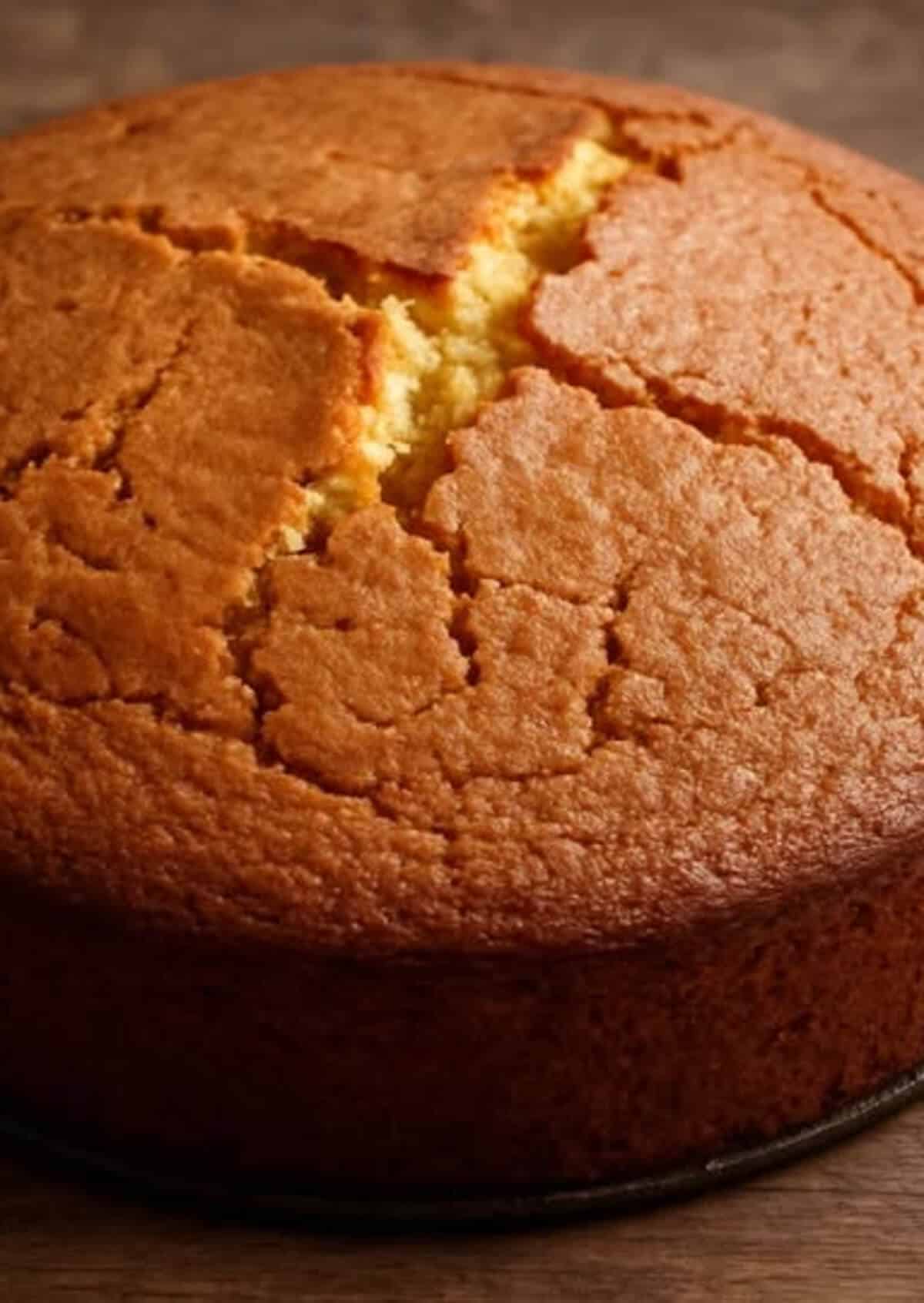
A crack across the top of a cake looks dramatic, but it usually just means the outside baked and set before the inside finished rising. It's more about oven heat and batter thickness than anything else.
🤔 Likely causes
- Oven temperature is too high. The outside of the cake sets quickly, while the inside is still rising, which pushes a crack through the top.
- Batter is on the thick side. Thicker batters rise upward more forcefully and are more likely to split the surface.
- Pan is too small. When batter has nowhere to go but up, it can crack as it expands.
- Rack is too high in the oven. The top of the cake gets more direct heat, which can set the crust early.
🧁 Easy fixes
- Check your oven temperature. If your oven runs hot, lowering it by 25°F can help cakes bake more evenly.
- Don't overfill the pan. About two-thirds full gives the cake room to rise without forcing it upward too aggressively.
- Bake in the center of the oven. This gives the most even heat.
- Smooth the batter evenly in the pan before baking. It won't prevent all cracks, but it helps the cake rise more evenly.
🔍 Quick check
- Crack but cake is moist and tender? Totally fine - just cover it with frosting and move on.
- Deep crack with a very thick crust? Oven likely too hot.
- Big dome with a crack across the top? Pan may have been a bit too full.
❓ Why is my cake gummy or wet in the middle?
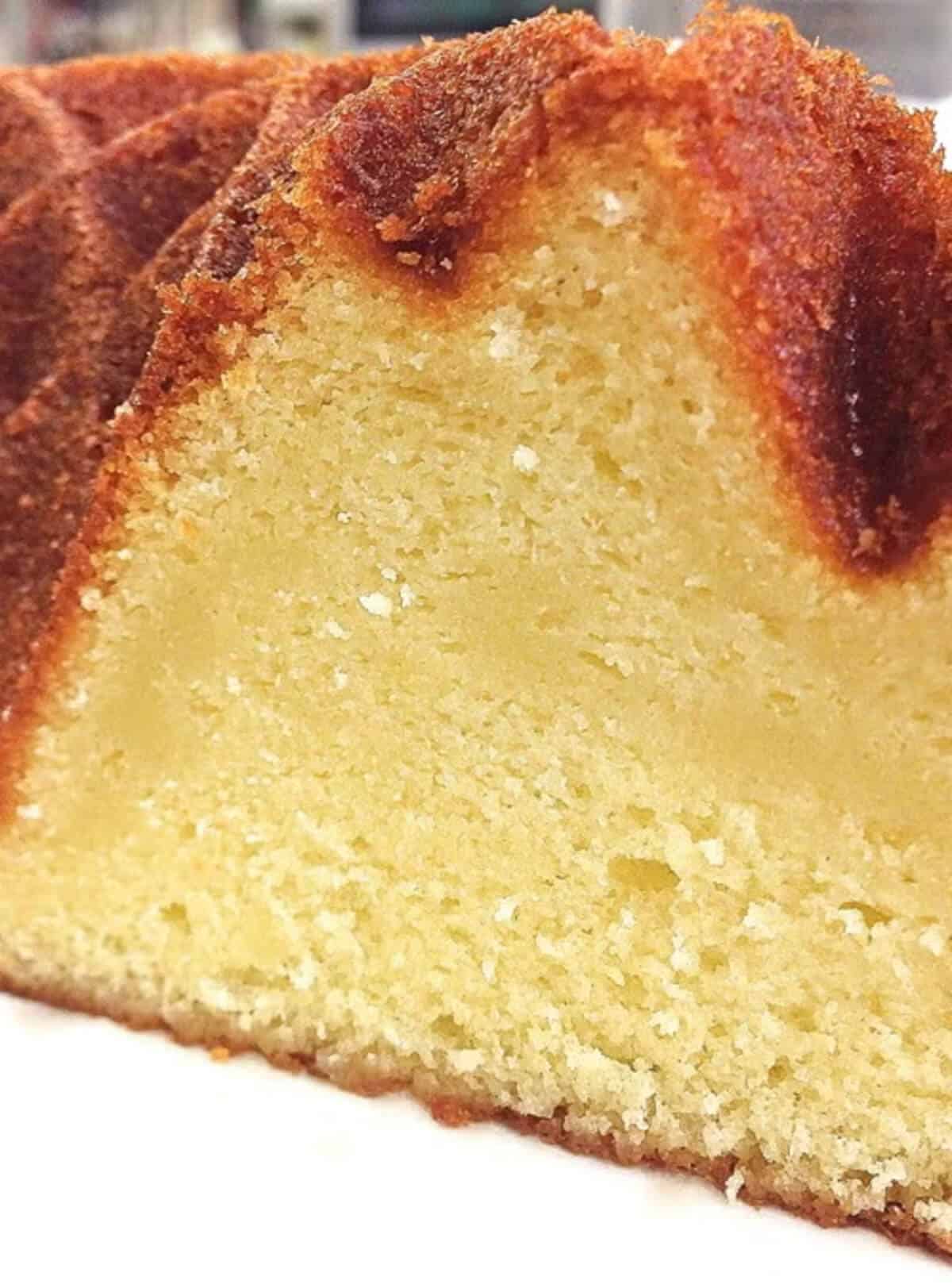
This is the cake that looks done on the outside, maybe even nicely browned… and then you cut into it and the middle is dense, damp, and not in a good way. A gummy center usually means the structure didn't fully bake or got thrown off in ingredient balance.
🤔 Likely causes
- It didn't bake long enough. The outside can look ready before the center actually is, especially with thicker cakes.
- Too much liquid. Extra milk, oil, sour cream, or fruit purée can weigh down the batter and make it harder to set.
- Too much sugar. Sugar holds onto moisture, which is great for softness, but too much can leave the center almost wet.
- Oven temperature too low. A cooler oven can cook the outside slowly without giving the center enough heat to set properly.
- Pan was too small. A thicker layer of batter takes longer to bake through, and the middle can stay underdone.
🧁 Easy fixes
- Bake a little longer and test the center, not just the edges. A toothpick should come out clean or with a few moist crumbs, not shiny batter.
- Stick closely to liquid amounts in cake recipes. Cakes are less forgiving than muffins when it comes to "a splash extra."
- Use the pan size listed. A smaller pan means thicker batter, which means longer baking time.
- Check your oven temp. If it runs cool, the cake may never fully set in the middle at the expected time.
- Let the cake cool completely before slicing. Cutting too soon can make a just-set center seem wetter than it really is.
🔍 Quick check
- Wet, almost shiny center but edges are done? Underbaked.
- Dense and slightly sticky all the way through? Often too much liquid or sugar.
- Looks underdone but firms up a lot after cooling? It was close - just needed a few more minutes next time.
🍪 Cookie questions & answers
Cookies can change a lot with small tweaks in butter temperature, flour measurement, or oven heat. When they don't turn out the way you pictured, it's usually one of a few familiar troublemakers. It all applies whether you're making mom's best chocolate chip cookies, soft & chewy oatmeal raisin cookies, or sprinkle sugar cookies.
❓ Why did my cookies spread too much?
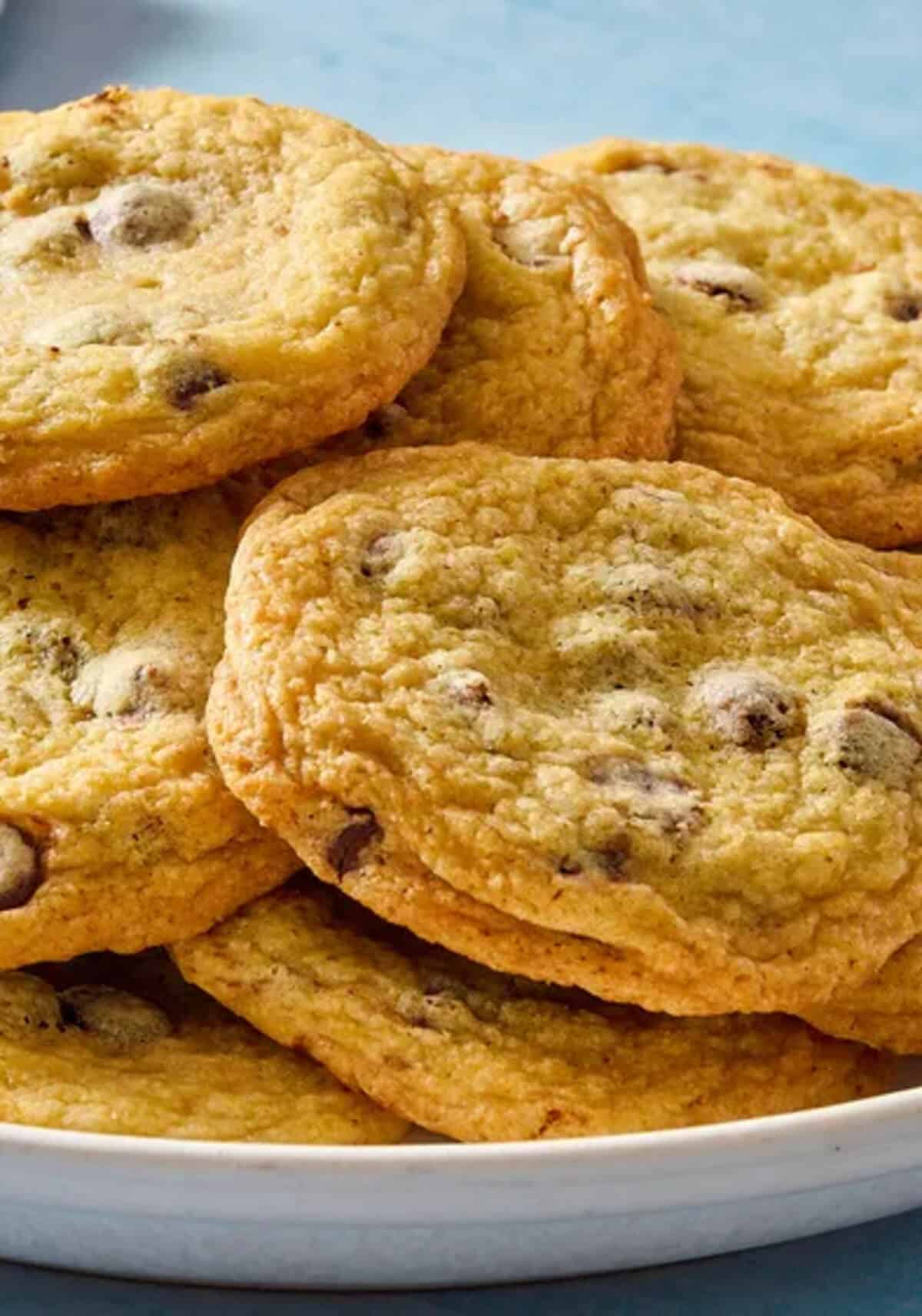
You scooped nice little dough balls… and they baked into one big cookie neighborhood. When cookies spread too much, it usually means the dough got too soft or the structure wasn't strong enough to hold its shape.
🤔 Likely causes
- Butter was too soft or partially melted. Warm, greasy butter makes dough loosen up fast in the oven.
- Dough was too warm. A warm kitchen or handling the dough a lot can make it spread more.
- Not enough flour. A little extra softness in the dough can turn into a lot of spread.
- Too much sugar. Sugar melts as cookies bake, which encourages spreading.
- Hot baking sheets. Putting dough on a hot pan jump-starts melting before the structure sets.
🧁 Easy fixes
- Start with softened, not melty, butter. It should give when pressed but still feel cool.
- Chill the dough before baking. Even 30 minutes in the fridge can make a big difference.
- Let baking sheets cool between batches. Warm pans = flatter cookies.
- Measure flour carefully. Too little flour makes cookies spread more than intended.
- If your kitchen is warm, chill scooped dough balls. A quick fridge break helps them hold shape.
🔍 Quick check
- Cookies are thin and lacy? Dough was probably too warm or butter too soft.
- Edges very crisp but centers super thin? Often too much sugar or too little flour.
- Later batches spread more than the first? Your baking sheet was likely still too warm from the oven.
❓ Why didn't my cookies spread at all?
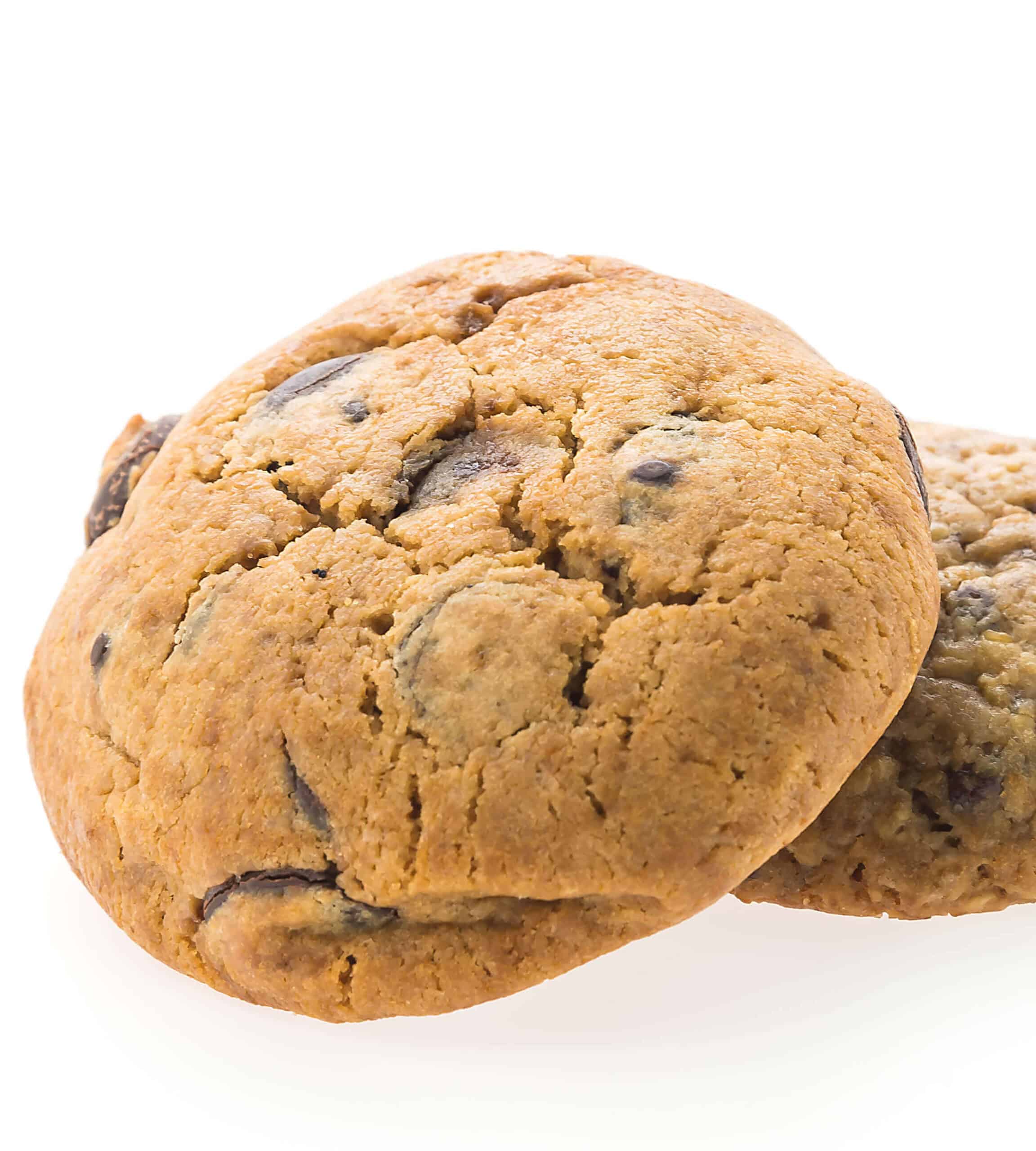
You put dough balls on the sheet… and they came out looking almost exactly the same shape, just baked. Thick cookies can be great on purpose, but if you were expecting a little spread and didn't get it, something held the dough too firmly in place.
🤔 Likely causes
- Too much flour. This is the most common reason. Packed flour makes the dough stiff, and stiff dough doesn't spread much.
- Dough was very cold. Super chilled dough holds its shape longer in the oven.
- Too little sugar. Sugar melts as cookies bake, helping them spread. Less sugar = less spread.
- Too much leavening. Extra baking soda or baking powder can make cookies puff up instead of out.
- Too much cornstarch. A little can make cookies softer and thicker, but too much firms up the dough and keeps cookies from spreading.
- Oven temperature too low. Without enough heat, the dough doesn't soften and spread before it sets.
🧁 Easy fixes
- Measure flour lightly. Spoon and level instead of scooping. It makes a big difference with cookies.
- Let chilled dough sit out a bit before baking. Just 10-15 minutes can help.
- Double-check your sugar measurement. Cutting it back affects texture and spread.
- Measure leavening carefully. More isn't better here.
- Go easy on cornstarch tweaks. If a recipe uses it, stick close to the amount listed. Extra can make cookies stay puffy and thick instead of spreading.
- Make sure the oven is fully preheated. Proper heat helps cookies spread and set the right way.
🔍 Quick check
- Cookies are tall and cakey? Often too much flour or leavening.
- Dough was straight-from-the-fridge cold? That alone can limit spread.
- Bottoms pale and cookies stayed puffy? Oven temp might be running low.
❓ Why are my cookies hard instead of soft?
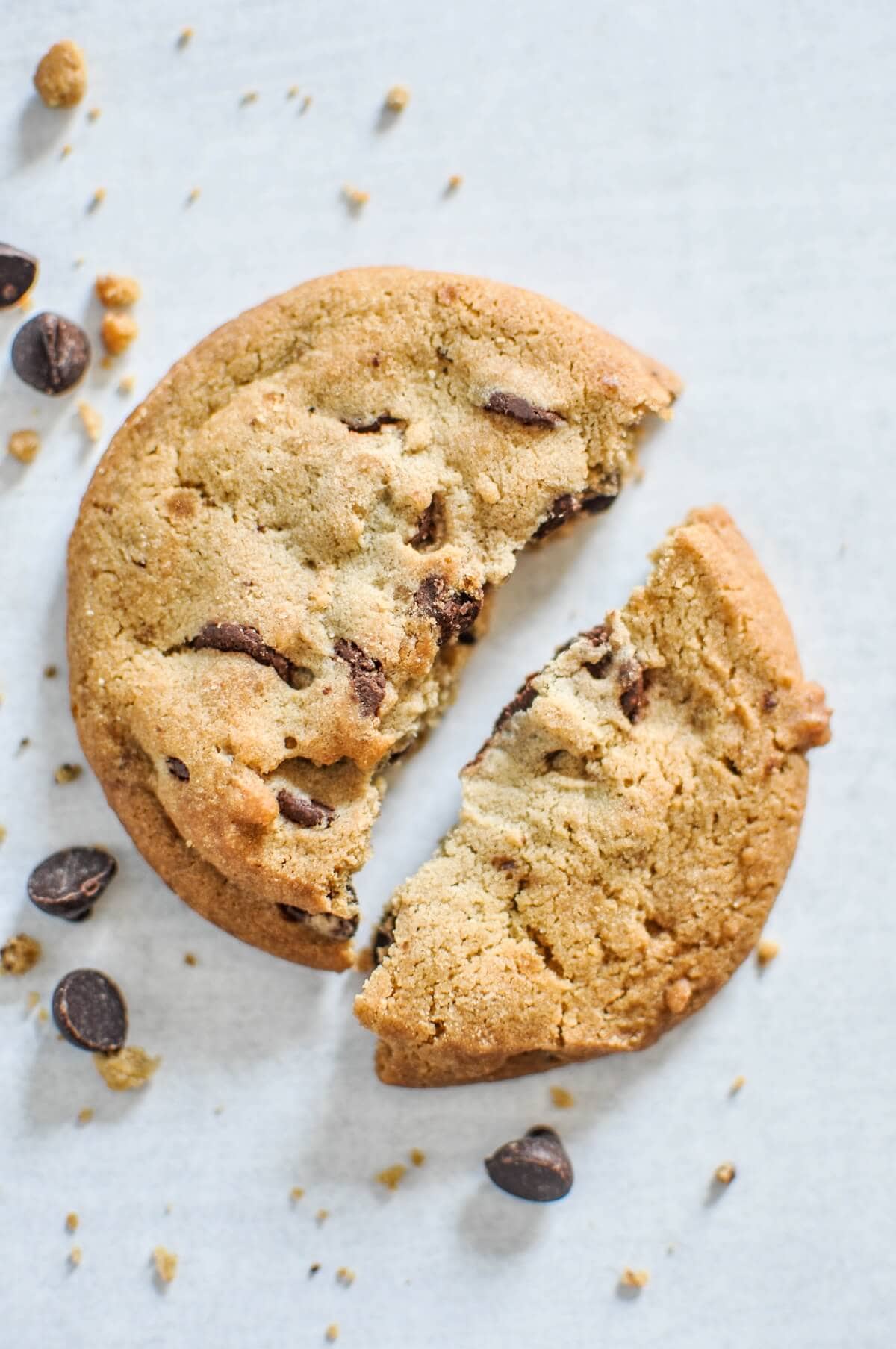
You were going for soft and chewy… and instead got cookies that turned out way firmer than you wanted. Sometimes that's the goal, but if not, a few small things probably nudged them in the crunchy direction.
🤔 Likely causes
- They baked a little too long. Cookies firm up as they cool, so leaving them in until they look fully done often means they'll end up crisp.
- Too little moisture in the dough. Less brown sugar, egg, or fat can all lead to firmer cookies.
- Too much flour. Extra flour makes dough drier and cookies harder.
- Stored uncovered. Cookies lose moisture fast when left out.
- Recipe is meant to be crisp. Some cookies are just built that way, even if we hoped otherwise.
🧁 Easy fixes
- Pull cookies when the centers still look slightly soft. They'll finish setting as they cool.
- Use the right balance of sugars. Brown sugar helps keep cookies softer than white sugar alone.
- Measure flour carefully. Too much dries cookies out.
- Store in an airtight container once cooled. This helps keep moisture in.
- Add a slice of bread to the container. It sounds weird, but it helps keep cookies soft by sharing moisture.
🔍 Quick check
- Cookies were soft when warm but hard the next day? Storage issue.
- Hard straight from the oven? Likely baked too long or dough too dry.
- Thin, crisp, and kind of "snappy" when you break them? That usually means the dough had more white sugar than brown sugar, or just not quite enough moisture to keep them soft.
❓ Why are my cookies burnt on the bottom but pale on top?
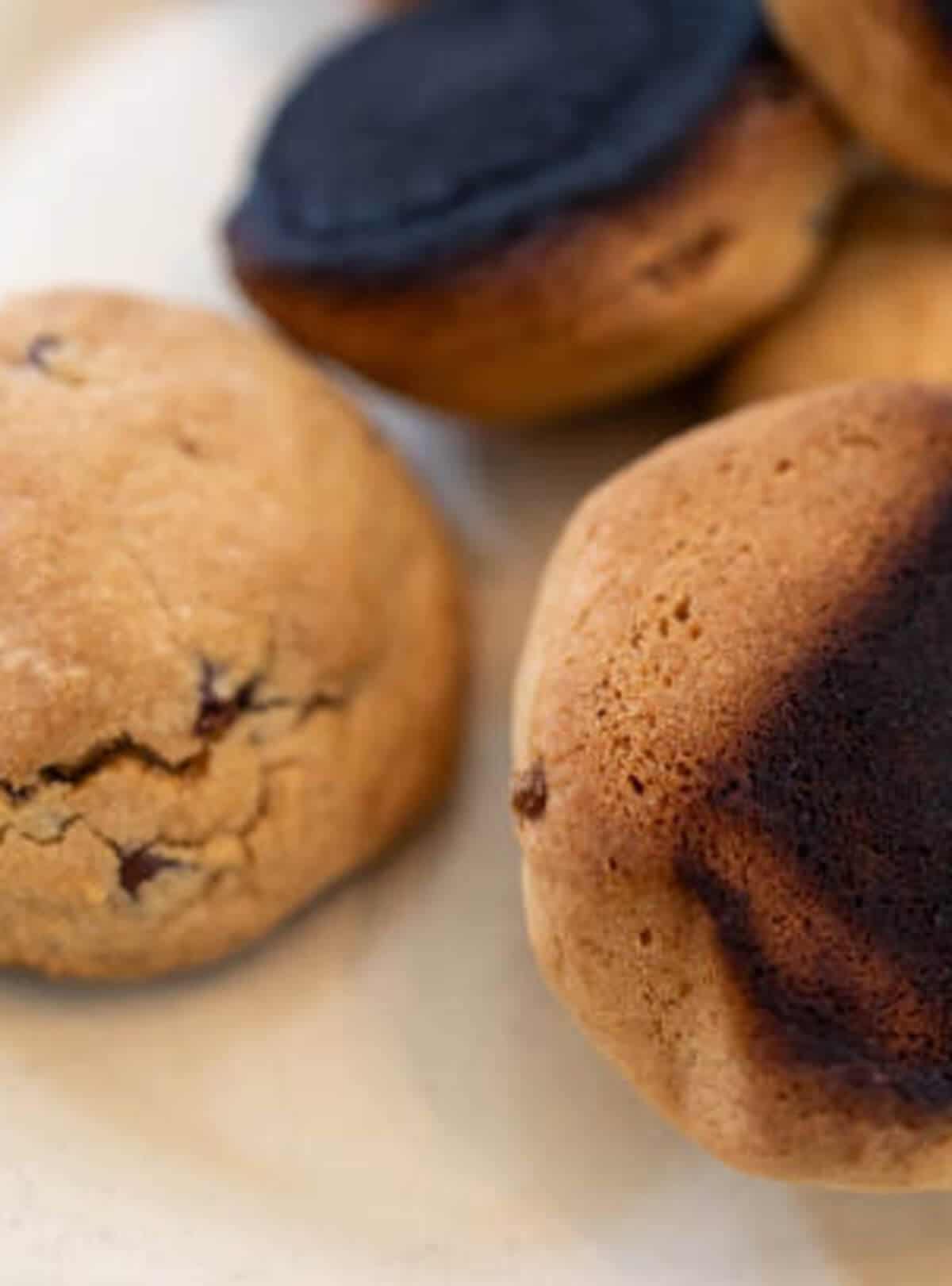
You pull the cookie sheet out of the oven and the bottoms are dark (or flat-out burnt), while the tops still look like they could've used another minute. Frustrating, but usually a heat and pan issue, not the recipe.
🤔 Likely causes
- Baking sheet is too dark. Dark metal absorbs more heat and can overbrown the bottoms fast.
- Pan was too close to the bottom of the oven. Lower racks get more direct bottom heat.
- Using thin baking sheets. Lightweight pans heat up fast and can scorch the bottoms before the tops catch up.
- Oven runs hot on the bottom. Some ovens just have hot spots down low.
- No parchment or liner. Direct contact with the hot pan can lead to overbrowning underneath.
🧁 Easy fixes
- Use light-colored, heavy baking sheets if you can. They bake more evenly.
- Line pans with parchment paper. It helps buffer direct heat.
- Bake in the center of the oven. That's usually the sweet spot for even baking.
- Rotate pans halfway through baking. Especially if your oven has hot spots.
- If bottoms keep browning too fast, try double-panning. Put one baking sheet inside another to slow down bottom browning.
🔍 Quick check
- Dark bottoms but pale tops? Heat is coming from below too strongly.
- Happens on every batch? Likely your pans or oven position.
- Only happens on one side of the tray? Your oven probably has a hot spot.
❓ Why do my cookies turn out cakey instead of chewy?
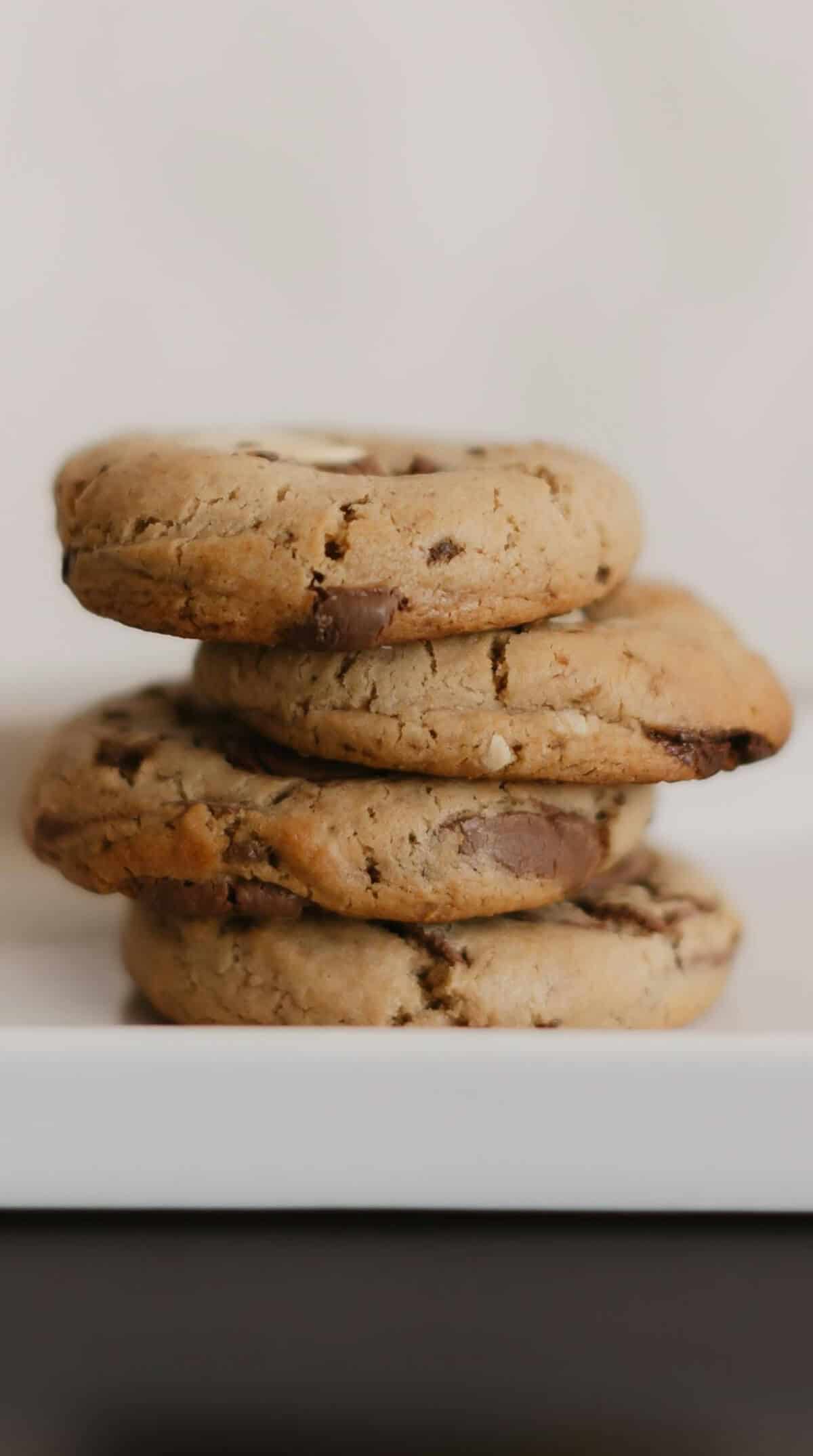
You wanted chewy cookies with a little bend in the middle… and instead got something closer to mini cake rounds. Not bad, just not what you were going for. Cakey cookies usually come down to moisture, mixing, or ingredient balance.
🤔 Likely causes
- Too much flour. Extra flour makes cookies puff up and take on a softer, more cake-like texture.
- Too much leavening. Extra baking powder or baking soda can give cookies more lift than chew.
- Too many eggs (or extra-large eggs). Eggs add structure and moisture, which can push cookies toward cakey instead of chewy.
- Not enough fat. Fat helps cookies spread and stay chewy. Less fat means thicker, softer cookies.
- Too much mixing. Overmixing can make the dough lighter and more structured, leading to a cake-like texture.
🧁 Easy fixes
- Measure flour lightly. Spoon and level instead of scooping.
- Stick to the leavening amounts listed. A little extra can change texture a lot.
- Use the egg size called for. Large vs. extra-large actually makes a difference in cookies.
- Don't cut back on butter or oil. That fat is key for chewiness.
- Mix just until combined. No need to whip extra air into cookie dough.
🔍 Quick check
- Cookies are tall and fluffy instead of bendy? Often too much flour or leavening.
- Texture feels more like muffin tops than cookies? Dough likely had too much egg or was overmixed.
- Soft but not chewy at all? Usually a fat-to-flour balance issue.
🥖 Bread baking solutions
Bread can feel a little mysterious, but most issues come down to yeast activity, dough texture, or baking time. Once you know what to look for, bread problems get a lot less intimidating. It's useful knowledge for recipes like my homemade bread, cinnamon rolls, soft pretzels, and Nutella babka.
❓ Why is my bread dense or doughy inside?
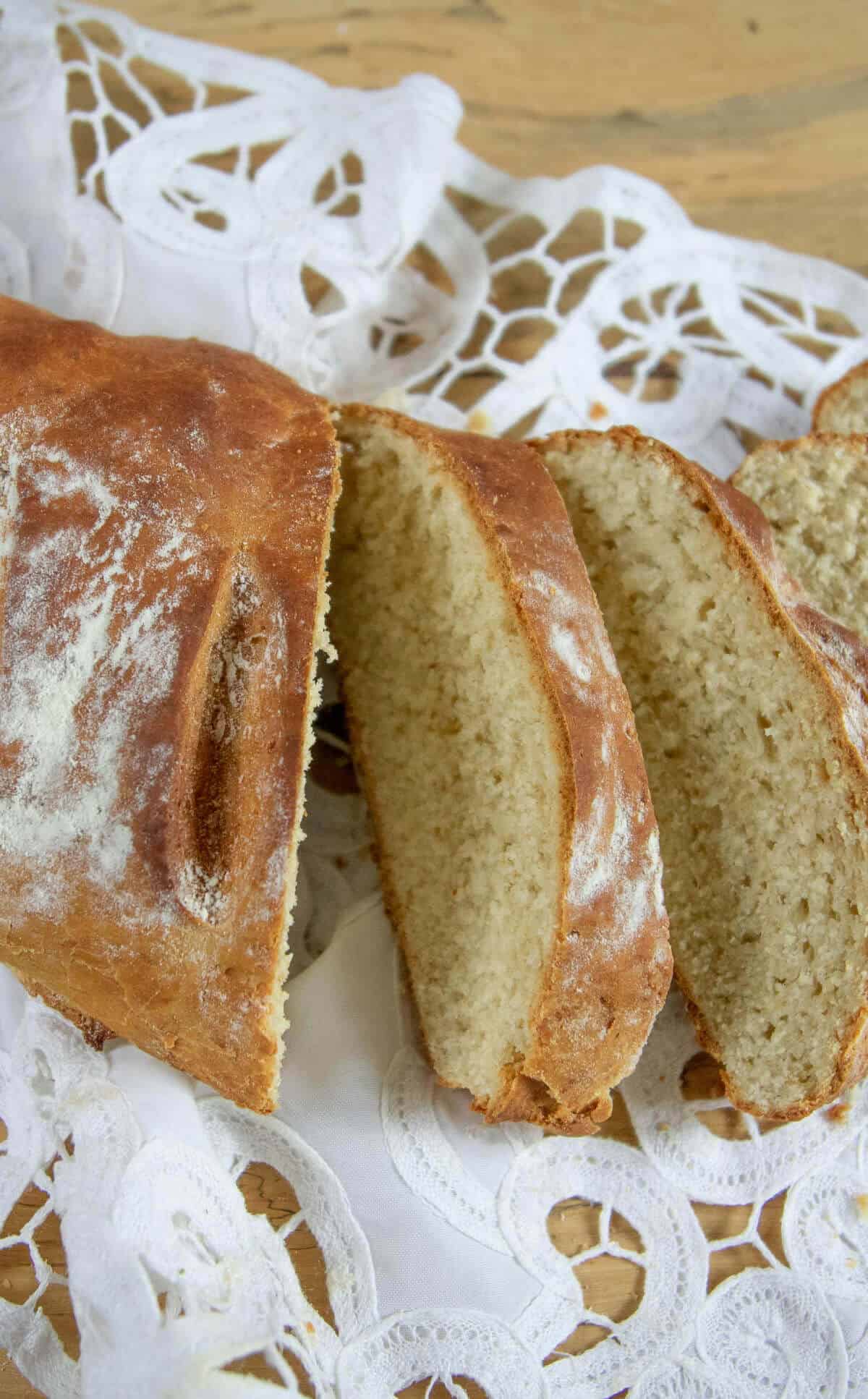
You were hoping for a light, airy slice… and instead got something that feels heavy or slightly underdone in the middle. Dense or doughy bread usually means the dough didn't rise enough or didn't bake long enough.
🤔 Likely causes
- Not enough rise time. If the dough didn't double (or close to it), the crumb will be tight and heavy.
- Too much flour. Stiff dough struggles to expand and can bake up dense.
- Underbaking. Bread can look done on the outside while still being underbaked inside.
- Oven temperature too low. Bread needs strong heat at the start to get good lift.
- Dough was handled roughly after rising. Knocking out too much air can lead to a tighter crumb.
🧁 Easy fixes
- Let the dough rise until it's actually ready. Look for roughly doubled in size, not just a timer going off.
- Be careful adding flour. Dough should be soft and slightly tacky, not stiff and dry.
- Bake until the loaf sounds hollow when tapped on the bottom. That's a good sign the inside is set.
- Use an oven thermometer if you can. Bread really notices when ovens run cool.
- Handle risen dough gently. Try not to press out all the air before baking.
🔍 Quick check
- Dense and heavy all the way through? Usually not enough rise or too much flour.
- Looks good outside but gummy inside? Probably underbaked.
- Small, tight holes instead of airy crumb? Dough didn't get enough time or warmth to rise properly.
❓ Why didn't my bread rise?
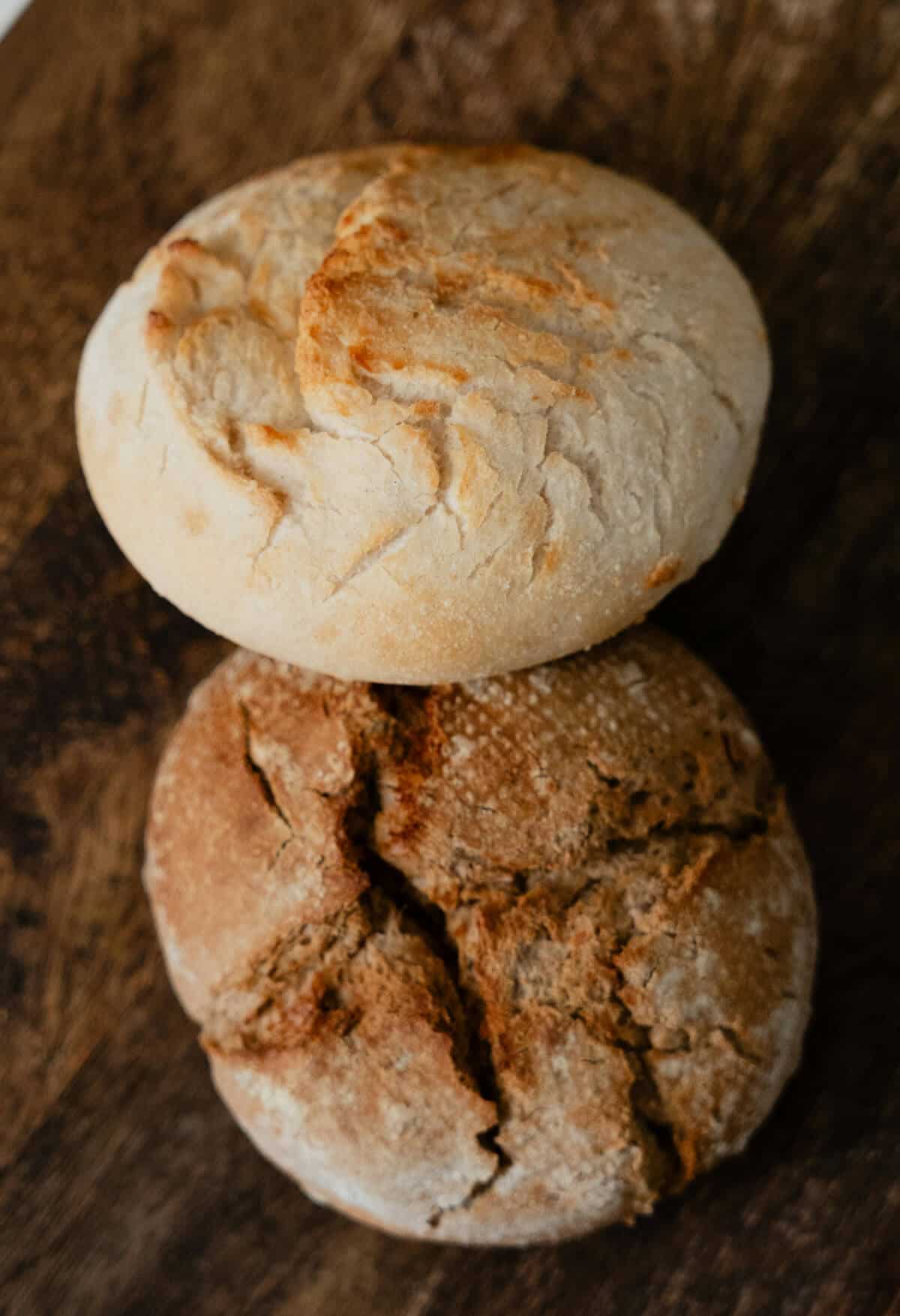
Few baking things are more discouraging than dough that just sits there like a lump, refusing to grow. When bread doesn't rise, it almost always comes down to yeast, temperature, or dough consistency.
🤔 Likely causes
- Your yeast is old or inactive. Yeast doesn't last forever, especially once opened.
- The liquid was too hot. Hot water can kill yeast before it even gets started.
- The room was too cold. Yeast likes warmth. A chilly kitchen can slow things way down.
- Too much flour made the dough stiff. Stiff dough doesn't expand easily.
- Salt hit the yeast directly. Salt can slow yeast activity if they're mixed together right away.
🧁 Easy fixes
- Proof your yeast if you're unsure. Stir it into warm (not hot) water with a pinch of sugar. It should foam within 5-10 minutes. No foam, no go.
- Aim for "warm bathwater" temperature. Warm to the touch, not hot.
- Let the dough rise somewhere cozy. Inside an oven that's turned off but with the light turned on works great.
- Add flour gradually. Stop when the dough is soft and slightly tacky, not stiff.
- Mix salt into the flour instead of directly onto yeast. That helps avoid slowing it down.
🔍 Quick check
- Dough hasn't moved at all after an hour? Yeast may be inactive.
- Rose a little but not much? Room might be too cool or dough too stiff.
- Took forever but eventually rose? Room temperature issue, not a dead-yeast situation.
❓ Why is my bread crust too hard or too thick?
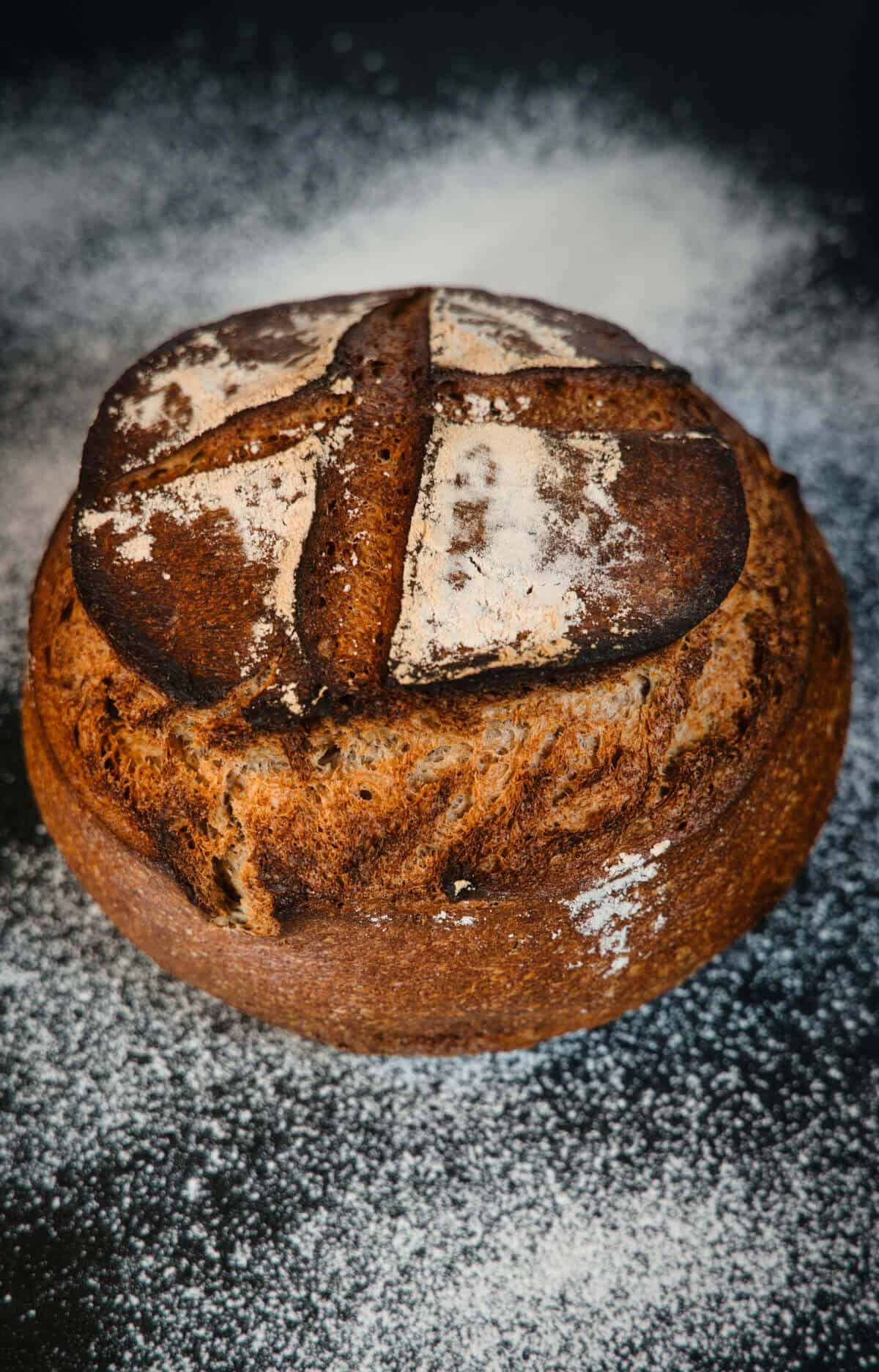
A good crust is great. A crust that feels like you need a saw to get through it… not so much. Extra-thick or overly hard crust usually comes down to baking time, oven conditions, or how the bread was cooled.
🤔 Likely causes
- Bread baked too long. Extra time in the oven keeps drying out the outside, even after the inside is done.
- Oven temperature too high. High heat can set and harden the crust quickly.
- Too little moisture in the oven. Steam in the early baking stage helps crust form without turning rock-hard.
- Bread cooled uncovered in a dry environment. As bread cools, moisture escapes, and the crust can get thicker and harder.
- Dough surface was very dry before baking. A dry outer layer can turn into a thicker crust.
🧁 Easy fixes
- Bake just until done, not longer "just in case." Tap the bottom - if it sounds hollow, it's ready.
- Check oven temperature. If your oven runs hot, lowering it slightly can help.
- Add steam early in baking. A pan of hot water in the oven can help keep the crust from getting too thick.
- Cool bread on a rack but don't leave it out forever. Once it's fully cooled, store it in a bag or wrap it, to keep the crust from hardening more.
- Cover loosely with a towel as it cools. This can soften the crust a bit.
🔍 Quick check
- Very dark, thick crust and dry inside? Likely baked too long.
- Crust super hard but inside still okay? Often the oven was too hot or there wasn't enough steam.
- Crust keeps getting harder as it sits out? Storage and cooling conditions are the culprit.
❓ Why is my bread flat and wide instead of tall?
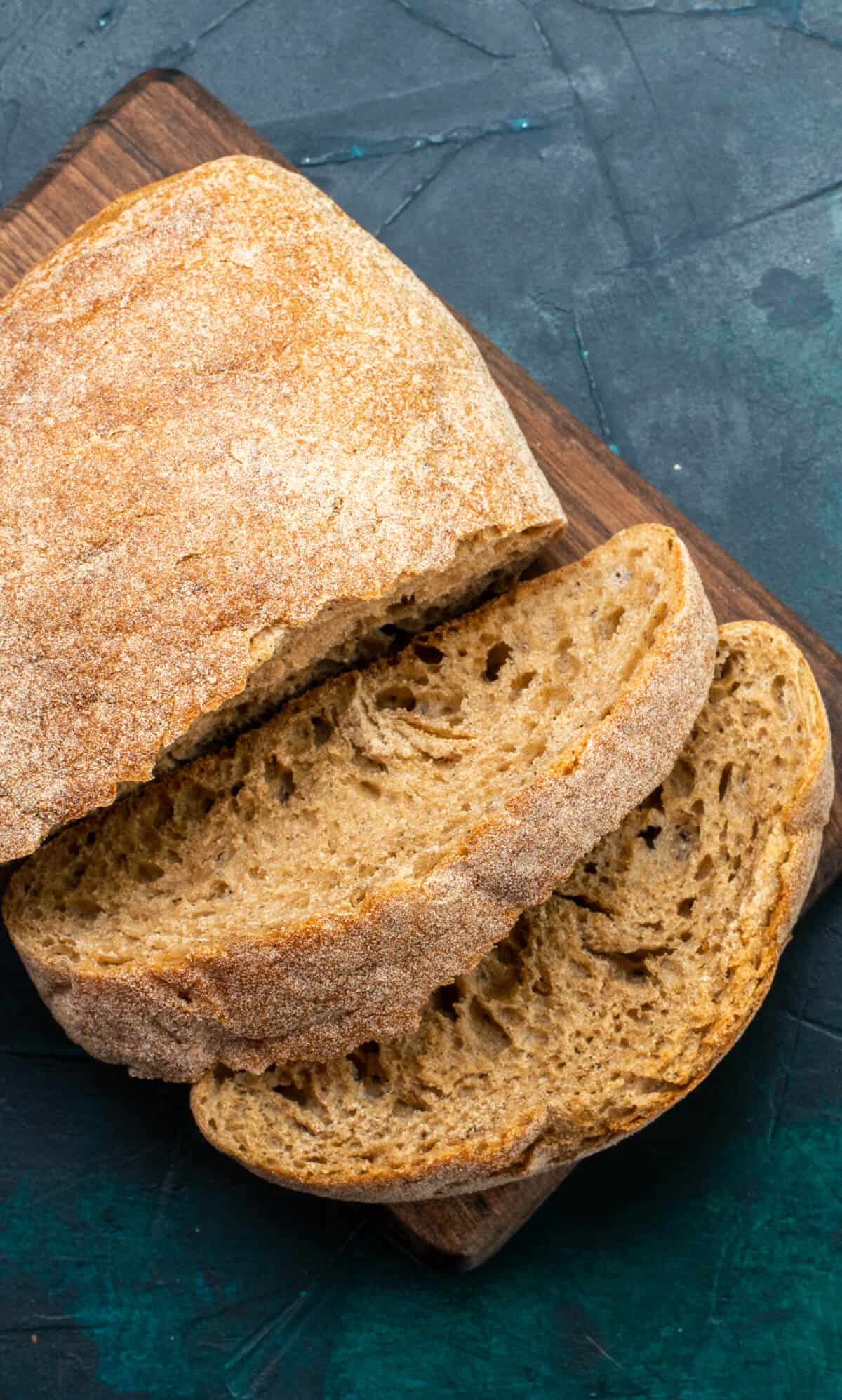
You pictured a tall, proud loaf… and instead got something that looks more like bread "pancake." When bread spreads out instead of rising up, it usually means the dough didn't have enough strength to hold its shape.
🤔 Likely causes
- Dough was too wet. Very soft dough can spread outward instead of upward.
- Not enough structure developed. If the dough wasn't kneaded enough, it may not have built the strength it needed.
- Overproofing. If dough rises too long, it can lose structure and collapse or spread when baked.
- Weak shaping. Loose shaping doesn't give the loaf surface tension to hold height.
- No support during baking. Free-form loaves need good structure or support to rise up instead of out.
🧁 Easy fixes
- Aim for soft but not sloppy dough. It should feel tacky, not pourable.
- Knead until the dough feels smooth and elastic. That strength helps it rise upward.
- Watch the dough, not just the clock. If it looks very puffy and fragile, it may be overproofed.
- Shape with some tension. Gently pull the surface of the dough tight when forming the loaf.
- Use a loaf pan or baking vessel if needed. Extra support can help give you height.
🔍 Quick check
- Loaf spread out and looks flat? Dough likely too wet or overproofed.
- Shape looked good but collapsed in the oven? Often overproofed.
- Dough felt very loose and sticky? Hydration may have been too high for that recipe.
🧁 Frosting & icing fixes
Frosting has a mind of its own sometimes. Too soft, too stiff, sliding off the cake, or impossible to spread. Most of the time it's just temperature or proportions acting up. These tips are handy whenever you're working with creamy toppings - like the filling in my pumpkin whoopie pies or glazes on cakes.
❓ Why is my frosting too thin?
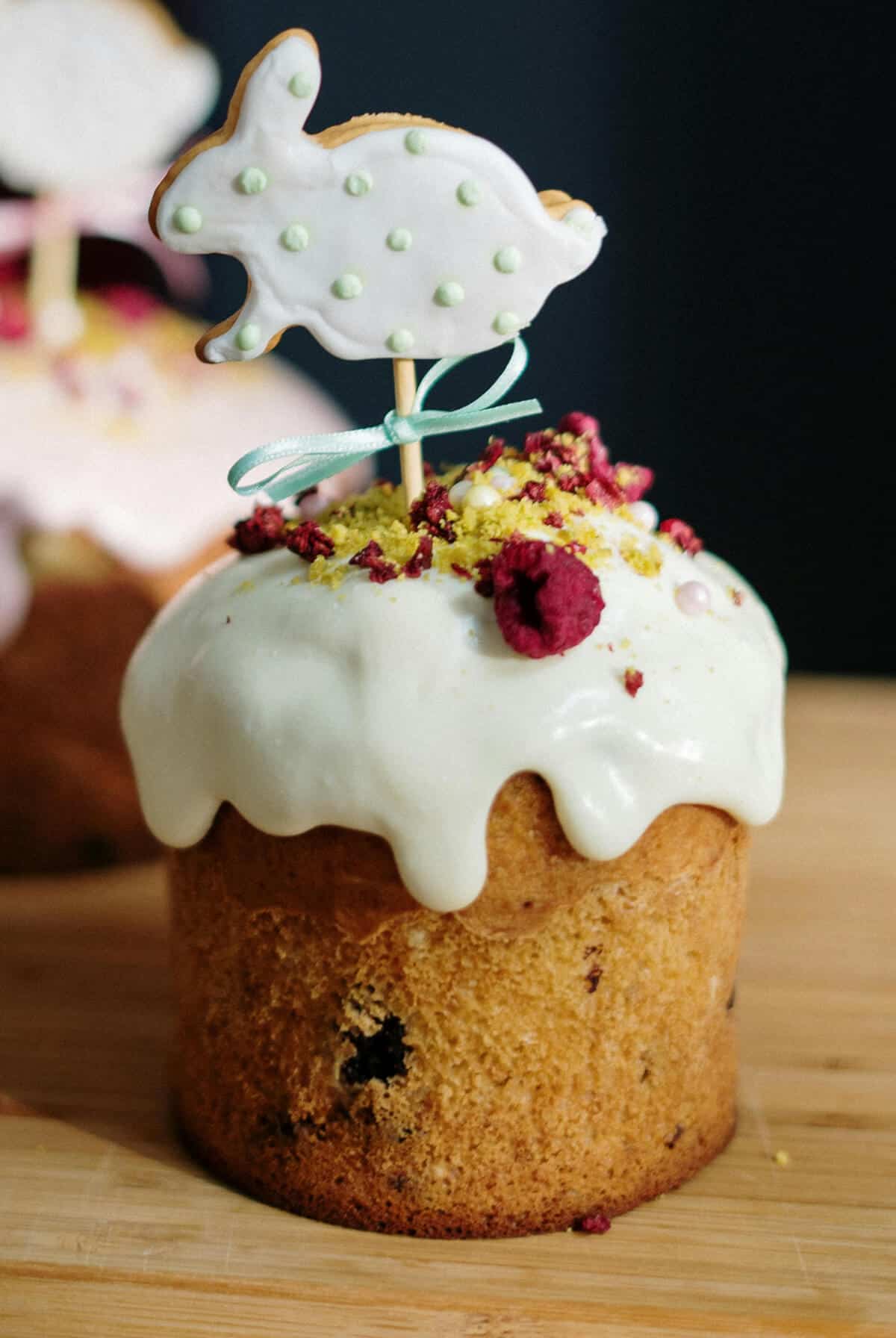
You were ready to frost… and instead you've got something that looks more like glaze than frosting. Thin frosting usually means too much liquid or ingredients that are too warm.
🤔 Likely causes
- Too much milk, cream, or other liquid. A splash too much goes a long way here.
- Butter or cream cheese too warm. Soft is good. Melty and shiny is not.
- Kitchen is warm. Frosting gets looser fast in a warm room.
- Not enough powdered sugar. Without enough sugar, frosting can't hold its shape.
🧁 Easy fixes
- Add more powdered sugar a little at a time. Mix well before deciding if you need more.
- Chill the frosting for 10-15 minutes. Then beat it again to bring it back together.
- Start with softened, not melted, butter. It should be soft but still feel cool to the touch.
- Add liquids slowly next time. It's much easier to thin frosting than to thicken it.
🔍 Quick check
- Frosting slowly sliding off the cake? Too thin or too warm.
- Looks glossy and loose? Butter or cream cheese may be too soft.
- Happened right after adding milk? Just a bit too much liquid.
❓ Why is my frosting too thick or hard to spread?
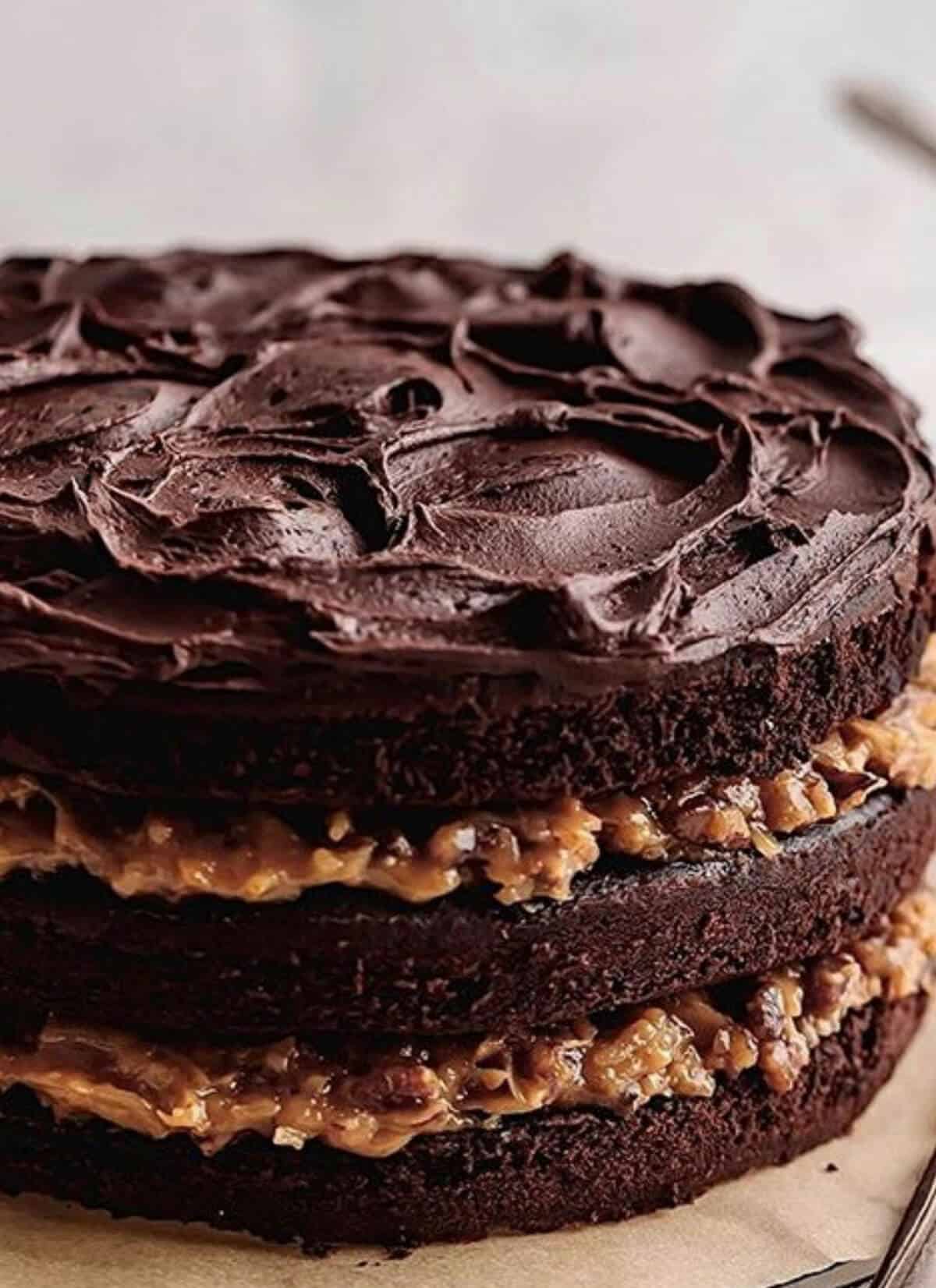
You go to frost the cake and it's like trying to spread cold butter straight from the fridge. Thick frosting usually just needs a little softening or a small adjustment to the ratio.
🤔 Likely causes
- Not enough liquid. Frosting needs a little moisture to be smooth and spreadable.
- Too much powdered sugar. Easy to do when you're adding it a scoop at a time.
- Butter or cream cheese too cold. Cold ingredients make stiff frosting.
- Kitchen is cool. Cooler rooms can make frosting firm up more than expected.
🧁 Easy fixes
- Add liquid a tiny bit at a time. A teaspoon of milk or cream can loosen things quickly.
- Let frosting sit at room temp for a bit. Then beat it again to smooth it out.
- If butter was cold, keep mixing. The friction can help soften it, or let it warm slightly before continuing.
- Don't overdo the sugar next time. Stop once the frosting holds shape but still spreads easily.
🔍 Quick check
- Frosting tears the cake when you try to spread it? Too thick or too cold.
- Looks stiff and dull instead of fluffy? Needs a bit more liquid or mixing.
- Was smooth earlier but firmed up while sitting? Just needs a quick remix or slight warm-up.
❓ Why does my frosting look curdled or separated?
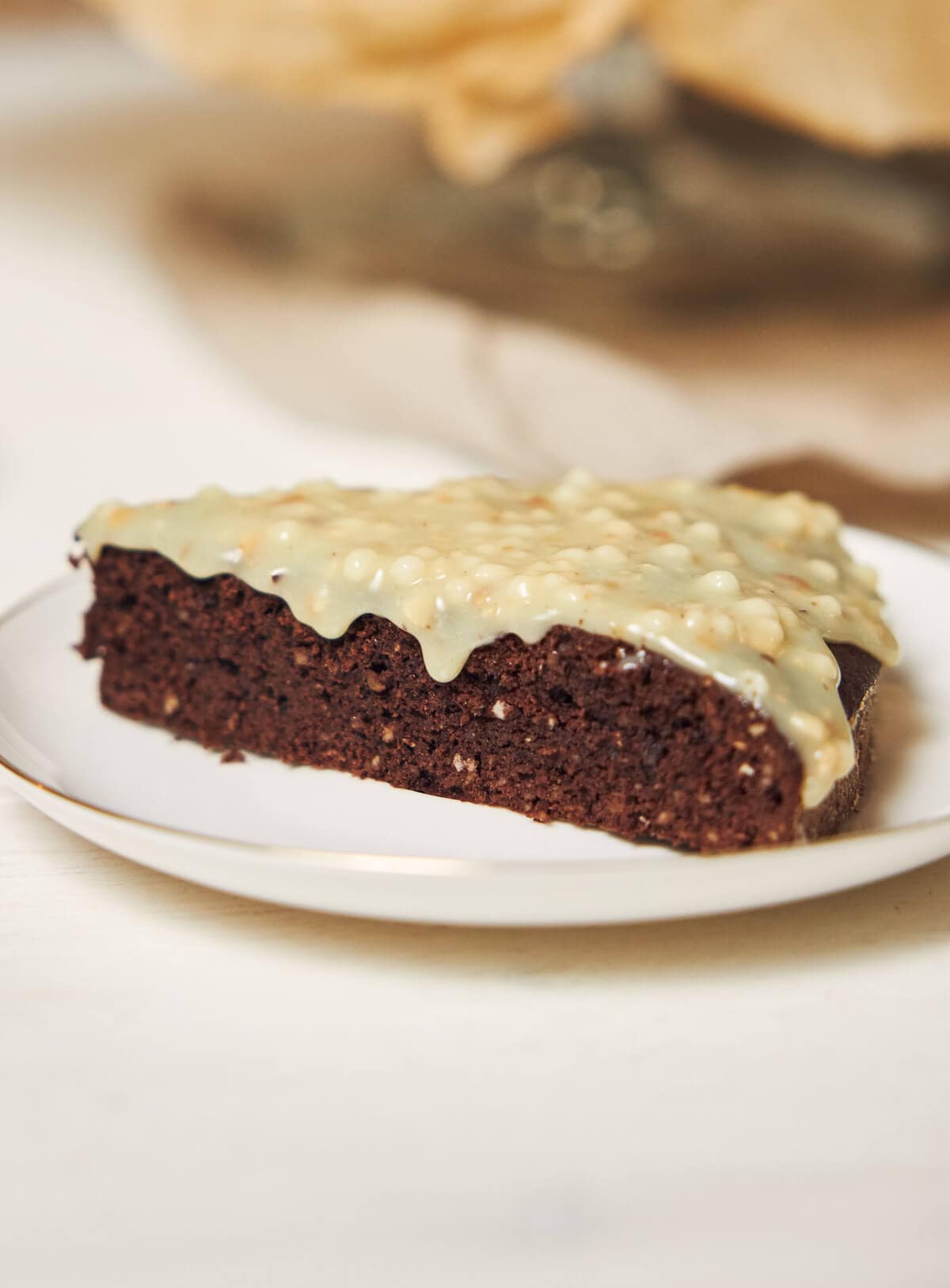
You're mixing along and suddenly your frosting looks grainy, lumpy, or like it's starting to split. It's not ruined - it just means the ingredients aren't at the same temperature or haven't come together yet.
🤔 Likely causes
- Ingredients were different temperatures. Cold cream cheese with warm butter (or vice versa) can make frosting look curdled.
- Butter was too cold. It won't blend smoothly and can create little lumps.
- Butter was too warm. Overly soft butter can cause frosting to look greasy or separated.
- Added liquid too quickly. Pouring in milk or cream all at once can throw off the texture.
🧁 Easy fixes
- Keep mixing. Sometimes frosting just needs a little more time to smooth out.
- Let it come to room temperature, then beat again. Ingredients at an even temperature blend better.
- If it looks greasy, chill briefly. Then beat again to help it come back together.
- Add liquids slowly. A teaspoon at a time helps keep the texture smooth.
🔍 Quick check
- Looks grainy or lumpy? Ingredients were likely too cold.
- Looks greasy or slightly separated? Butter may have been too warm.
- Happened right after adding liquid? It probably just went in too fast.
❓ Why is my frosting full of air bubbles?
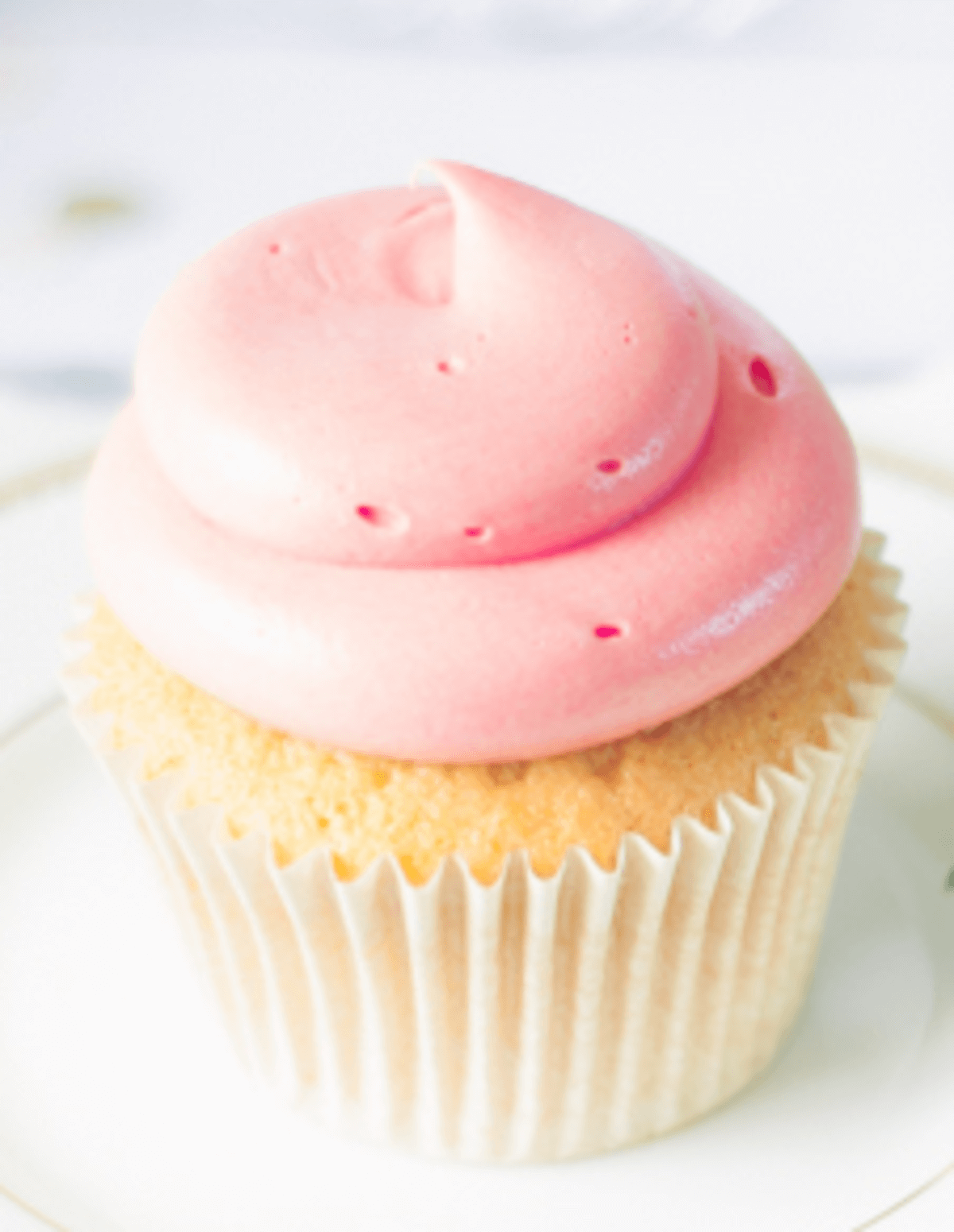
You smooth the frosting, step back… and see little air bubbles all over the surface. Totally edible, just not the silky look you were going for. This usually comes down to how the frosting was mixed and spread.
🤔 Likely causes
- Frosting was beaten on high speed for a long time. That whips in extra air.
- Using a whisk attachment instead of a paddle. Whisks add in more air than you want for smooth frosting.
- Frosting is a bit too stiff. Thicker frosting traps more air pockets.
- Spreading with a very light touch. Sometimes this just moves bubbles around instead of smoothing them out.
🧁 Easy fixes
- Switch to low speed at the end of mixing. This helps knock out excess air.
- Use the paddle attachment for the final mix. It smooths more than it whips.
- Let the frosting rest for a few minutes. Some bubbles rise and pop on their own.
- Warm your spatula slightly and smooth again. Gentle heat helps create a smoother finish.
🔍 Quick check
- Lots of tiny bubbles all over? Frosting was probably overmixed or whipped too much.
- Surface looks rough, not smooth? Frosting may be too thick or full of air.
- Looked smooth in the bowl but bubbly on the cake? Air got trapped during spreading.
❓ Why won't my frosting hold its shape when piping?
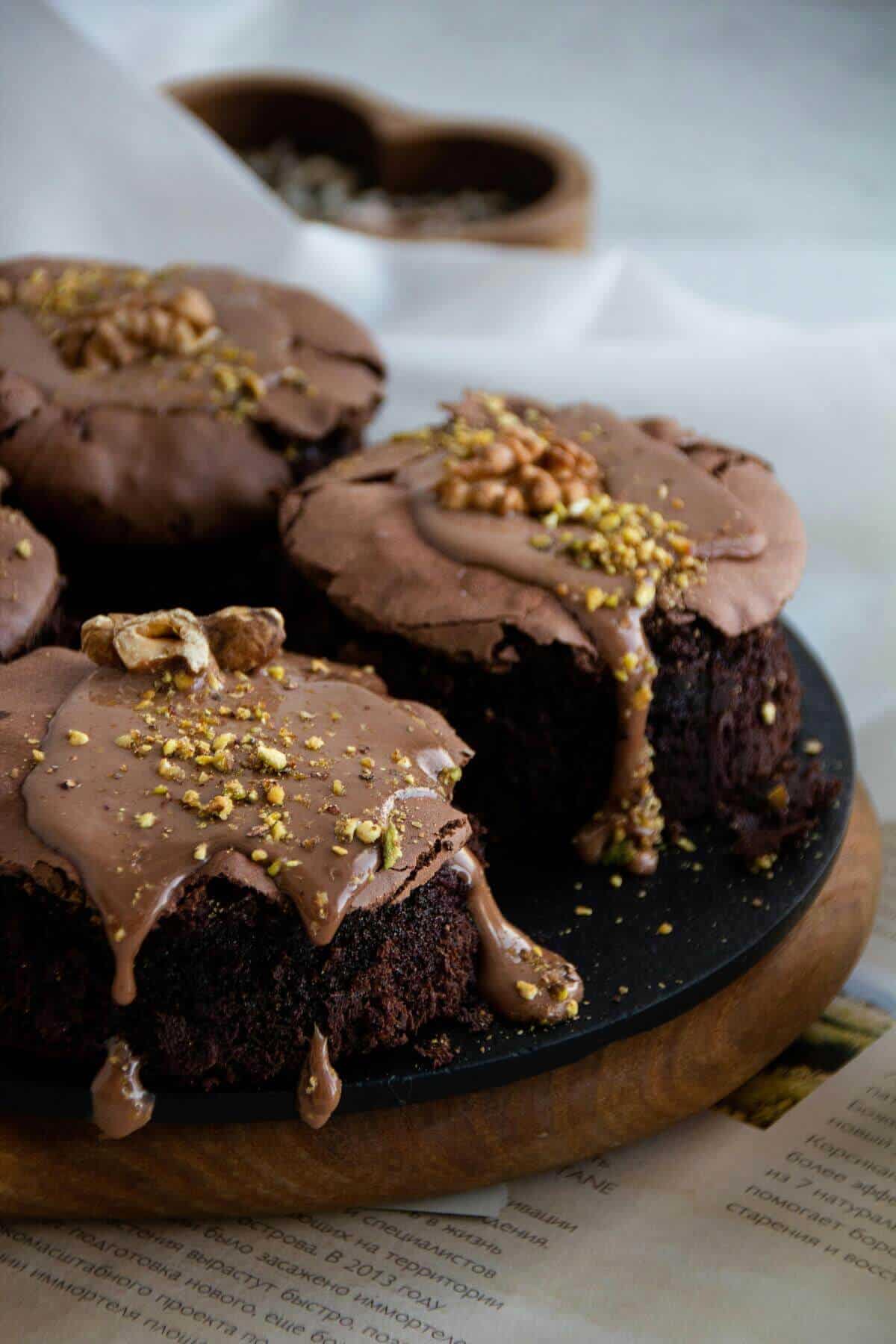
You pipe a beautiful swirl… and a few minutes later it looks like it slowly gave up. When frosting won't hold shape, it's almost always too soft, too warm, or not structured enough.
🤔 Likely causes
- Frosting is too warm. Warm butter or a warm kitchen can make piped shapes relax and droop.
- Too much liquid. Extra milk or cream makes frosting smoother, but also softer.
- Not enough powdered sugar. Without enough sugar, frosting can't hold sharp edges.
- Overmixed frosting. Overbeating can make it too loose and airy to pipe cleanly.
- Hands warming the piping bag. Your hands can soften the frosting surprisingly fast.
🧁 Easy fixes
- Chill the frosting briefly. 10-15 minutes in the fridge can firm it up just enough.
- Add a bit more powdered sugar. Just a tablespoon or two can improve structure.
- Don't overfill the piping bag. A big, packed bag warms up in your hands and softens the frosting faster. Working with smaller amounts helps it hold its shape longer.
- If the kitchen is warm, chill the filled piping bag for a few minutes. A short rest in the fridge can help the frosting firm back up before you keep piping.
- Mix on low speed at the end. This helps smooth the texture without loosening it too much.
🔍 Quick check
- Piped ridges soften within minutes? Frosting is too warm.
- Details look soft and rounded instead of sharp? Needs more structure (usually powdered sugar).
- Starts fine, then gets droopy as you work? Frosting is warming up in the bag.
📖 Quick reference baking fixes
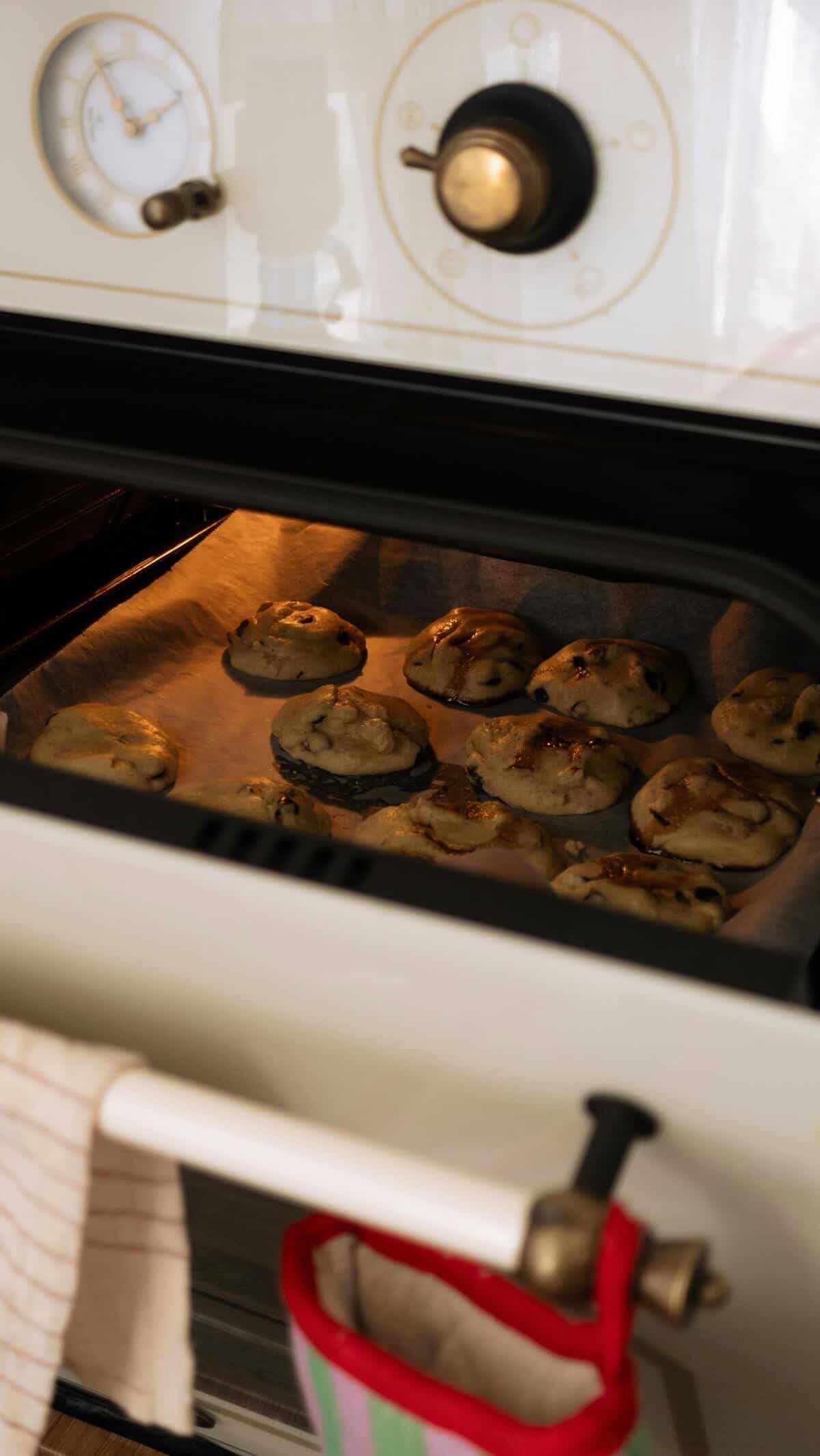
When something turns out not quite right, here's the fast version of what to check first.
🧂 Ingredient & Pantry
- Flat or heavy bakes? Check that your baking powder, baking soda, and/or yeast are still active.
- Dry texture? You may have added too much flour or baked for too long.
- Bland flavor? Don't skip salt, and make sure spices and vanilla are fresh.
🍰 Cakes
- Dense cake? Too much flour or overmixing.
- Cake sank in the middle? Often underbaked or too much leavening.
- Dry cake? Probably baked for a bit too long or your oven runs hot.
- Cake stuck to the pan? Better greasing, flouring, or parchment next time.
🍪 Cookies
- Spread too much? The dough was too warm or the butter was too soft.
- Didn't spread? Too much flour or the dough was too cold.
- Hard instead of soft? Baked for too long or stored uncovered.
- Burnt bottoms, pale tops? The pan was too dark or the rack was too low.
🥖 Bread
- Dense or tight crumb? Not enough rise time or too much flour.
- Didn't rise? Yeast issue or the dough was too cold.
- Very hard crust? Baked too long or the oven was too hot.
- Flat loaf? Dough was too wet or overproofed.
🧁 Frosting
- Too thin? Too much liquid or the frosting was too warm.
- Too thick? Not enough liquid or the ingredients were too cold.
- Looks curdled? Temperature mismatch - keep mixing or adjust temp.
- Won't hold piping shape? The frosting was too warm or too soft.
💛 Final thoughts
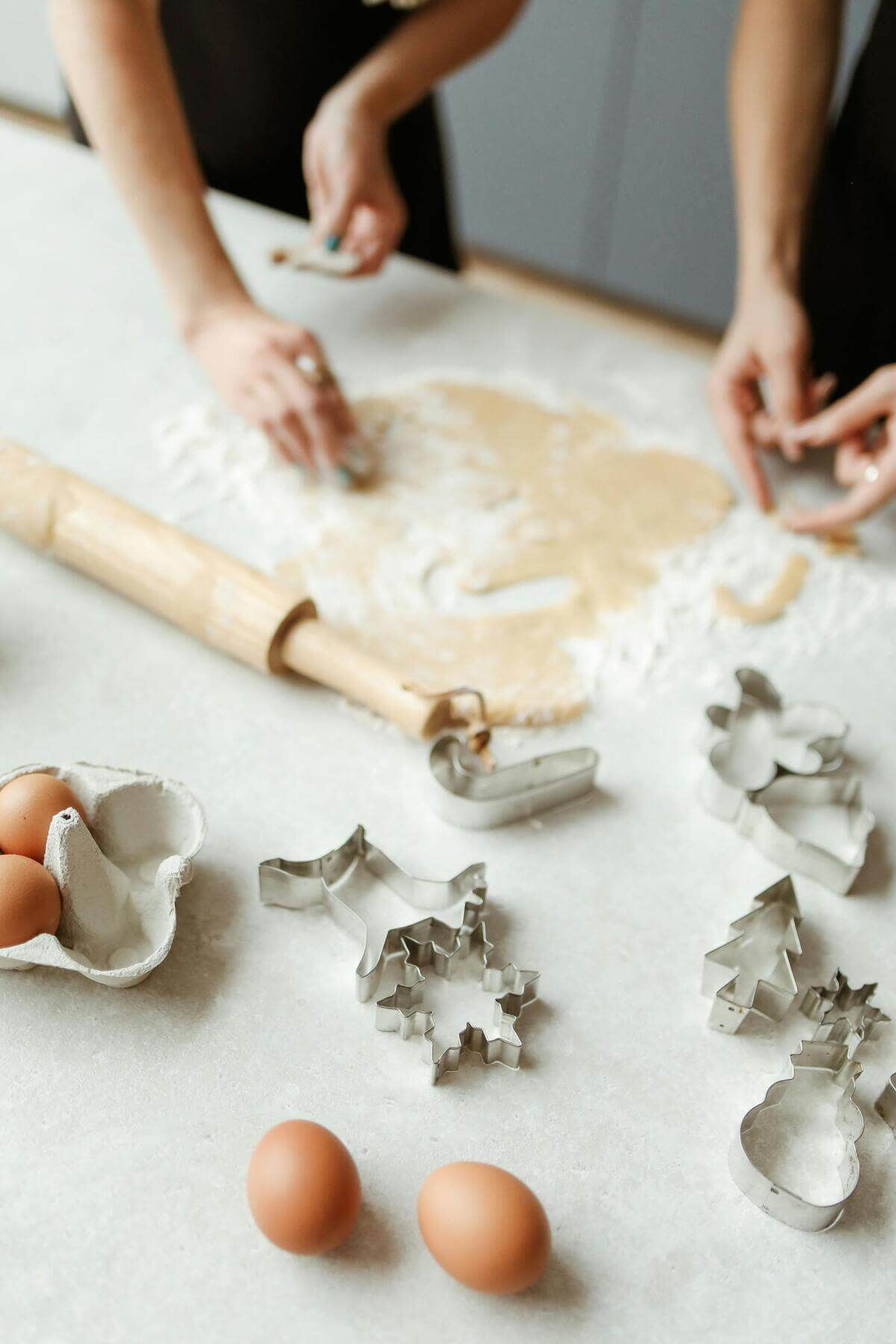
If you bake often enough, things will go sideways sometimes. Cakes sink, cookies spread, and frosting gets moody. It doesn't mean you're bad at baking - it just means you're actually baking.
Most problems come down to a small detail: oven temperature, ingredient balance, or timing. Once you know what to look for, those "what the heck happened?" moments turn into easy adjustments next time.
And honestly, a lot of so-called mistakes still taste pretty great - they just don't look exactly like the picture. Keep going, keep baking, and before long you'll spot these issues before they even happen.

Leave a Reply